SOLDES
Jusqu'à -70% sur une sélection d'articles*

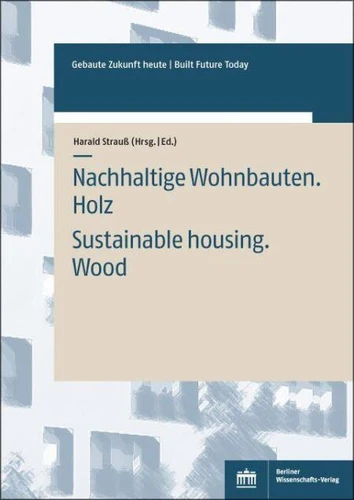
Nachhaltige Wohnbauten. Holz. Sustainable Housing. Wood
Par :Formats :
Disponible dans votre compte client Decitre ou Furet du Nord dès validation de votre commande. Le format PDF est :
- Compatible avec une lecture sur My Vivlio (smartphone, tablette, ordinateur)
- Compatible avec une lecture sur liseuses Vivlio
- Pour les liseuses autres que Vivlio, vous devez utiliser le logiciel Adobe Digital Edition. Non compatible avec la lecture sur les liseuses Kindle, Remarkable et Sony
 , qui est-ce ?
Notre partenaire de plateforme de lecture numérique où vous retrouverez l'ensemble de vos ebooks gratuitement
Pour en savoir plus sur nos ebooks, consultez notre aide en ligne ici
C'est si simple ! Lisez votre ebook avec l'app Vivlio sur votre tablette, mobile ou ordinateur :

- Nombre de pages142
- FormatPDF
- ISBN978-3-8305-4371-8
- EAN9783830543718
- Date de parution22/11/2021
- Protection num.Digital Watermarking
- Taille15 Mo
- Infos supplémentairespdf
- ÉditeurBWV
Résumé
Wohnbebauung trägt in Deutschland bedeutend zum nationalen Gesamtausstoß an Klimagasen bei. Nicht nur der Betrieb, auch die Errichtung und der spätere Abbruch eines Hauses sind hierbei in Rechnung zu stellen. Doch der allseits beklagte Wohnungsmangel zwingt zur Steigerung der Bauaktivitäten. Wie also könnten Wohnbauten auf ökologisch nachhaltige Weise ins Werk gesetzt werden? Anhand konkreter Beispiele stellen die Autorinnen und Autoren die vielfältigen Verwendungsweisen und Vorzüge des nachwachsenden Rohstoffs Holz in der Architektur vor, um zu zeigen, dass eine klimafreundliche Zukunft im Baubereich sich bereits in der Gegenwart abzeichnet.°°In Germany, residential buildings make a significant contribution to total national emissions of greenhouse gases.
Not only the operation, but also the construction and subsequent demolition of a house must be taken into account. Yet the universally lamented housing shortage is forcing an increase in construction activity. So how can housing be built in an ecologically sustainable way? Using concrete examples, the authors present the diverse uses and advantages of the renewable raw material wood in architecture to show that a climate-friendly future in the building sector is already emerging in the present.
Not only the operation, but also the construction and subsequent demolition of a house must be taken into account. Yet the universally lamented housing shortage is forcing an increase in construction activity. So how can housing be built in an ecologically sustainable way? Using concrete examples, the authors present the diverse uses and advantages of the renewable raw material wood in architecture to show that a climate-friendly future in the building sector is already emerging in the present.