
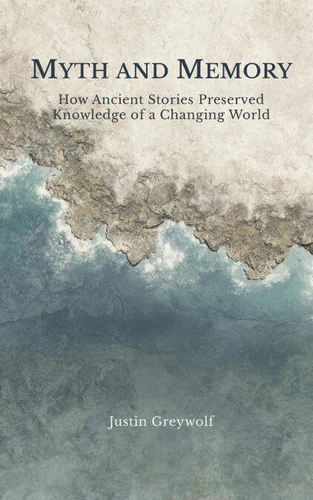
Myth and Memory
Par :Formats :
Disponible dans votre compte client Decitre ou Furet du Nord dès validation de votre commande. Le format ePub protégé est :
- Compatible avec une lecture sur My Vivlio (smartphone, tablette, ordinateur)
- Compatible avec une lecture sur liseuses Vivlio
- Pour les liseuses autres que Vivlio, vous devez utiliser le logiciel Adobe Digital Edition. Non compatible avec la lecture sur les liseuses Kindle, Remarkable et Sony
- Non compatible avec un achat hors France métropolitaine
 , qui est-ce ?
Notre partenaire de plateforme de lecture numérique où vous retrouverez l'ensemble de vos ebooks gratuitement
Pour en savoir plus sur nos ebooks, consultez notre aide en ligne ici
C'est si simple ! Lisez votre ebook avec l'app Vivlio sur votre tablette, mobile ou ordinateur :

- FormatePub
- ISBN8232065645
- EAN9798232065645
- Date de parution16/01/2026
- Protection num.Adobe DRM
- Infos supplémentairesepub
- ÉditeurDraft2Digital
Résumé
Myth and MemoryWhat ancient stories were trying to rememberAcross cultures and continents, humans have told stories of flood, creation, loss, survival, and renewal. These stories are often grouped under the label mythology, a term that can suggest invention or symbolic distance from lived reality. Yet for the cultures that preserved them, these narratives were neither casual tales nor abstract explanations.
They were acts of memory. Myth and Memory examines traditional myths from around the world as systems designed to preserve knowledge when the conditions of life changed in ways that could not be undone. Drawing on flood traditions, emergence myths, migration stories, and accounts of catastrophe and renewal, this book explores how different cultures remembered environmental change, displacement, and survival long before written history existed.
Rather than treating myths as literal records or dismissing them as fiction, this book approaches them as carefully structured forms of remembrance. Each chapter places a tradition within its environmental and cultural context, presents the myth itself with minimal interruption, and then reflects on what kind of experience the story was designed to preserve. Across regions - from Africa and the Near East to Europe, Asia, Oceania, and the Americas - patterns emerge.
Myths remember not precise events, but moments when the world became different enough that life had to be lived differently. These traditions do not agree on what happened, and they do not need to. What they share is a method: encoding experience in narrative forms capable of surviving migration, loss, and generational turnover. Floods mark thresholds. Lands sink or withdraw. Worlds end, reset, or narrow.
Memory persists. Rather than proposing a single origin story or unified ancient narrative, this book focuses on how different cultures remembered change in their own environments, using myth as a means of preserving experience across generations.
They were acts of memory. Myth and Memory examines traditional myths from around the world as systems designed to preserve knowledge when the conditions of life changed in ways that could not be undone. Drawing on flood traditions, emergence myths, migration stories, and accounts of catastrophe and renewal, this book explores how different cultures remembered environmental change, displacement, and survival long before written history existed.
Rather than treating myths as literal records or dismissing them as fiction, this book approaches them as carefully structured forms of remembrance. Each chapter places a tradition within its environmental and cultural context, presents the myth itself with minimal interruption, and then reflects on what kind of experience the story was designed to preserve. Across regions - from Africa and the Near East to Europe, Asia, Oceania, and the Americas - patterns emerge.
Myths remember not precise events, but moments when the world became different enough that life had to be lived differently. These traditions do not agree on what happened, and they do not need to. What they share is a method: encoding experience in narrative forms capable of surviving migration, loss, and generational turnover. Floods mark thresholds. Lands sink or withdraw. Worlds end, reset, or narrow.
Memory persists. Rather than proposing a single origin story or unified ancient narrative, this book focuses on how different cultures remembered change in their own environments, using myth as a means of preserving experience across generations.