
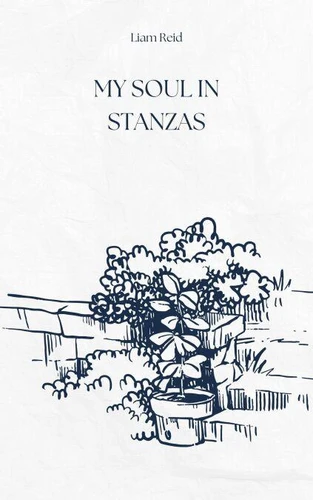
Liam Reid is a Scottish poet whose work explores trauma, identity, and resistance. ZOMBIE is his second collection, written in the wake of love, loss, and awakening.
My Soul in Stanzas
Par :Formats :
Disponible dans votre compte client Decitre ou Furet du Nord dès validation de votre commande. Le format ePub est :
- Compatible avec une lecture sur My Vivlio (smartphone, tablette, ordinateur)
- Compatible avec une lecture sur liseuses Vivlio
- Pour les liseuses autres que Vivlio, vous devez utiliser le logiciel Adobe Digital Edition. Non compatible avec la lecture sur les liseuses Kindle, Remarkable et Sony
 , qui est-ce ?
Notre partenaire de plateforme de lecture numérique où vous retrouverez l'ensemble de vos ebooks gratuitement
Pour en savoir plus sur nos ebooks, consultez notre aide en ligne ici
C'est si simple ! Lisez votre ebook avec l'app Vivlio sur votre tablette, mobile ou ordinateur :

- Date de parution02/10/2026
- FormatePub
- ISBN8232344337
- EAN9798232344337
- Protection num.pas de protection
- Infos supplémentairesepub
- ÉditeurDraft2Digital
Résumé
The Liam Reid Collection - The Entire Works is a sprawling, emotionally charged compendium that documents a poet's evolution from intimate confessionals to politically conscious elegies. It reads not as a curated volume but as a life-in-progress: love, trauma, faith, and social violence recorded almost in real time. The dominant energy is confession and memorialization. Reid writes from the wound and through the wound - every poem attempts to preserve or redeem loss: lost lovers, lost parents, lost teachers, lost innocence, and lost nations.
It's both personal diary and historical lament. Stylistically, the language is modern free verse with a heavy influence from the confessional tradition (Sylvia Plath, Anne Sexton, early Hughes), but also from the elegiac lyricism of war poets (Owen, Sassoon) and the raw immediacy of contemporary spoken-word poetry.
It's both personal diary and historical lament. Stylistically, the language is modern free verse with a heavy influence from the confessional tradition (Sylvia Plath, Anne Sexton, early Hughes), but also from the elegiac lyricism of war poets (Owen, Sassoon) and the raw immediacy of contemporary spoken-word poetry.
A propos de Liam Reid
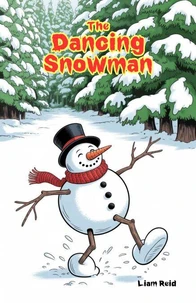
The Dancing Snowman
E-book
3,49 €
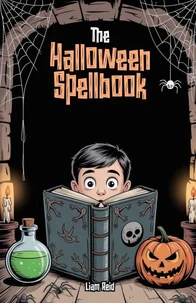
The Halloween Spellbook
E-book
3,49 €

3,49 €
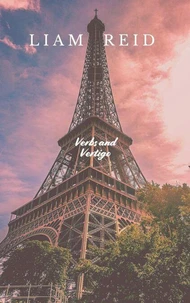
Verbs and Vertigo
E-book
4,49 €
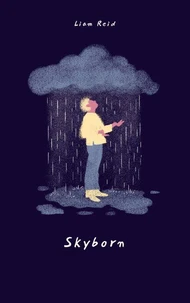
Skyborn
E-book
5,49 €

Johnny Rides With Santa
E-book
3,49 €
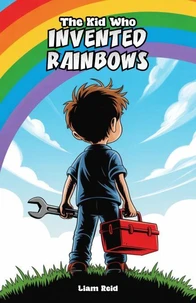
2,99 €

3,49 €
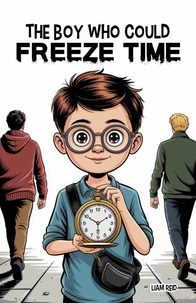
3,49 €
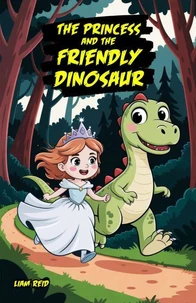
3,49 €
9,49 €
The Weight of Wings
E-book
5,49 €

Nicotine
E-book
4,49 €