SOLDES
Jusqu'à -70% sur une sélection d'articles*

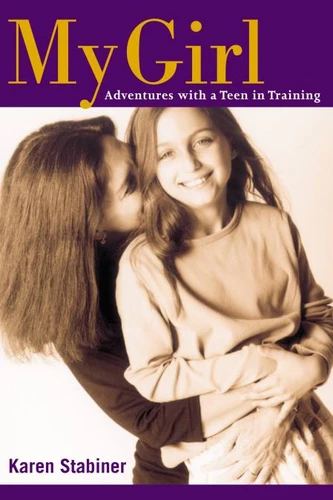
My Girl. Adventures with a Teen in Training
Par :Formats :
Disponible dans votre compte client Decitre ou Furet du Nord dès validation de votre commande. Le format ePub protégé est :
- Compatible avec une lecture sur My Vivlio (smartphone, tablette, ordinateur)
- Compatible avec une lecture sur liseuses Vivlio
- Pour les liseuses autres que Vivlio, vous devez utiliser le logiciel Adobe Digital Edition. Non compatible avec la lecture sur les liseuses Kindle, Remarkable et Sony
- Non compatible avec un achat hors France métropolitaine
 , qui est-ce ?
Notre partenaire de plateforme de lecture numérique où vous retrouverez l'ensemble de vos ebooks gratuitement
Pour en savoir plus sur nos ebooks, consultez notre aide en ligne ici
C'est si simple ! Lisez votre ebook avec l'app Vivlio sur votre tablette, mobile ou ordinateur :

- Nombre de pages288
- FormatePub
- ISBN978-0-316-07686-9
- EAN9780316076869
- Date de parution26/06/2009
- Protection num.Adobe DRM
- Infos supplémentairesepub
- ÉditeurLittle, Brown and Company
Résumé
Here's a radical concept: Most girls are happy, and so are their mothers. Most girls are not destined for depression, eating disorders, low self-esteem, and raging fights with their parents-that's just a very noisy minority. In My Girl, Karen Stabiner tells the story of one girl's journey into adolescence, and of her own efforts to find a way to guide her daughter through life's real thickets-not the scary but rare ones we hear so much about.
When Sarah reached sixth grade, horror stories about the coming teenage years began drifting her parents' way. The media reinforced the idea of mothers and daughters as adversaries, and the fashion industry promoted styles that fairly guaranteed a battle. But as Stabiner approached that supposedly stormy time, she found something quite different. The world was full of daughters who were sick of being told how wretched they were and mothers who found that the passage to adolescence was both exciting and enjoyable-despite the inevitable conflicts.
Even the happiest adolescence is full of challenges, though, and Karen Stabiner has gathered a lifesaving breadth of expert instruction ("Even when it's difficult, the onus is on the mother to be an adult"), enlightenment ("Ninety-seven percent of girls do not have a diagnosable eating disorder"), and support (conflict is "an incredible compliment to a mother, " the safe person in her daughter's life).
Sarah grows from a child who still likes to be carried to bed occasionally into a teen mastering a demanding sport and navigating friendships, and Karen Stabiner tells the story of that transition in scenes that will be both familiar and instructive to all mothers. Along the way, she learns to let go a little and to adjust the balance of her own life. With warmth, humor, and sharp insight, My Girl charts those first years of adolescence -- and engagingly debunks the prevailing assumption that they are inevitably miserable.
When Sarah reached sixth grade, horror stories about the coming teenage years began drifting her parents' way. The media reinforced the idea of mothers and daughters as adversaries, and the fashion industry promoted styles that fairly guaranteed a battle. But as Stabiner approached that supposedly stormy time, she found something quite different. The world was full of daughters who were sick of being told how wretched they were and mothers who found that the passage to adolescence was both exciting and enjoyable-despite the inevitable conflicts.
Even the happiest adolescence is full of challenges, though, and Karen Stabiner has gathered a lifesaving breadth of expert instruction ("Even when it's difficult, the onus is on the mother to be an adult"), enlightenment ("Ninety-seven percent of girls do not have a diagnosable eating disorder"), and support (conflict is "an incredible compliment to a mother, " the safe person in her daughter's life).
Sarah grows from a child who still likes to be carried to bed occasionally into a teen mastering a demanding sport and navigating friendships, and Karen Stabiner tells the story of that transition in scenes that will be both familiar and instructive to all mothers. Along the way, she learns to let go a little and to adjust the balance of her own life. With warmth, humor, and sharp insight, My Girl charts those first years of adolescence -- and engagingly debunks the prevailing assumption that they are inevitably miserable.