SOLDES
Jusqu'à -70% sur une sélection d'articles*

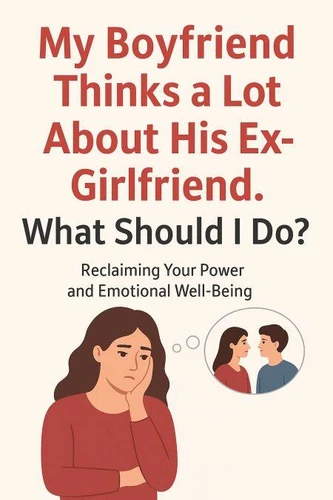
My Boyfriend Thinks a Lot About His Ex-Girlfriend. What Should I Do
Par :Formats :
Disponible dans votre compte client Decitre ou Furet du Nord dès validation de votre commande. Le format ePub est :
- Compatible avec une lecture sur My Vivlio (smartphone, tablette, ordinateur)
- Compatible avec une lecture sur liseuses Vivlio
- Pour les liseuses autres que Vivlio, vous devez utiliser le logiciel Adobe Digital Edition. Non compatible avec la lecture sur les liseuses Kindle, Remarkable et Sony
 , qui est-ce ?
Notre partenaire de plateforme de lecture numérique où vous retrouverez l'ensemble de vos ebooks gratuitement
Pour en savoir plus sur nos ebooks, consultez notre aide en ligne ici
C'est si simple ! Lisez votre ebook avec l'app Vivlio sur votre tablette, mobile ou ordinateur :

- FormatePub
- ISBN8232154530
- EAN9798232154530
- Date de parution19/09/2025
- Protection num.pas de protection
- Infos supplémentairesepub
- ÉditeurDraft2Digital
Résumé
Feel like the past is creeping into the present-and stealing peace of mind? This guide helps transform jealousy, confusion, and insecurity into clarity, boundaries, and calm confidence. What happens when a partner still thinks about an ex? It's more common than it seems, but if comparisons, memories, or "just mentions" start to sting, it's time to protect emotional well-being and the health of the relationship.
Drawing on psychology-informed insights and clear communication frameworks, this book offers step-by-step strategies to understand what's really going on, speak up without conflict, and decide what's truly acceptable. Inside, readers will discover:The real reasons behind lingering thoughts-nostalgia, habit, unresolved feelings-and how to spot which one applies. How jealousy and insecurity show up in the body and mind, and how to respond with self-compassion instead of spiraling.
A simple conversation blueprint: timing, tone, "I" statements, and conflict-free scripts that invite empathy instead of defensiveness. Boundary mapping exercises to define comfort zones, deal-breakers, and healthy limits that protect respect and trust. How social media, mutual friends, and old routines trigger fixation-and practical ways to refocus the relationship on the present. Mindfulness, cognitive reframing, journaling prompts, and self-soothing tools that reduce anxiety and rebuild inner stability.
Signs of progress vs. red flags: what empathy, honesty, and accountability look like-and what avoidance or disrespect signals. A trust-repair plan with small, repeatable actions that restore safety and connection over time. A clear decision framework for next steps-whether to rebuild, reset boundaries, or move forward with confidence. Built for real life, each chapter pairs compassionate guidance with actionable tools: reflection questions, boundary worksheets, dialogue examples, and trust-building exercises.
Readers will learn how to interpret a partner's response, separate minor friction from serious issues, and make empowered choices that align with personal values. If the past is hurting the present, this book offers a calm, direct path forward-one that centers self-worth, strengthens communication, and helps relationships thrive. And if staying isn't right, it equips readers to walk away with clarity, dignity, and peace."My Boyfriend Thinks a Lot About His Ex-Girlfriend.
What Should I Do?" is a no-drama roadmap to emotional safety and stronger connection-starting from the inside out.
Drawing on psychology-informed insights and clear communication frameworks, this book offers step-by-step strategies to understand what's really going on, speak up without conflict, and decide what's truly acceptable. Inside, readers will discover:The real reasons behind lingering thoughts-nostalgia, habit, unresolved feelings-and how to spot which one applies. How jealousy and insecurity show up in the body and mind, and how to respond with self-compassion instead of spiraling.
A simple conversation blueprint: timing, tone, "I" statements, and conflict-free scripts that invite empathy instead of defensiveness. Boundary mapping exercises to define comfort zones, deal-breakers, and healthy limits that protect respect and trust. How social media, mutual friends, and old routines trigger fixation-and practical ways to refocus the relationship on the present. Mindfulness, cognitive reframing, journaling prompts, and self-soothing tools that reduce anxiety and rebuild inner stability.
Signs of progress vs. red flags: what empathy, honesty, and accountability look like-and what avoidance or disrespect signals. A trust-repair plan with small, repeatable actions that restore safety and connection over time. A clear decision framework for next steps-whether to rebuild, reset boundaries, or move forward with confidence. Built for real life, each chapter pairs compassionate guidance with actionable tools: reflection questions, boundary worksheets, dialogue examples, and trust-building exercises.
Readers will learn how to interpret a partner's response, separate minor friction from serious issues, and make empowered choices that align with personal values. If the past is hurting the present, this book offers a calm, direct path forward-one that centers self-worth, strengthens communication, and helps relationships thrive. And if staying isn't right, it equips readers to walk away with clarity, dignity, and peace."My Boyfriend Thinks a Lot About His Ex-Girlfriend.
What Should I Do?" is a no-drama roadmap to emotional safety and stronger connection-starting from the inside out.
A propos de samire lhor


Coping with Infidelity
E-book
8,99 €