SOLDES
Jusqu'à -70% sur une sélection d'articles*

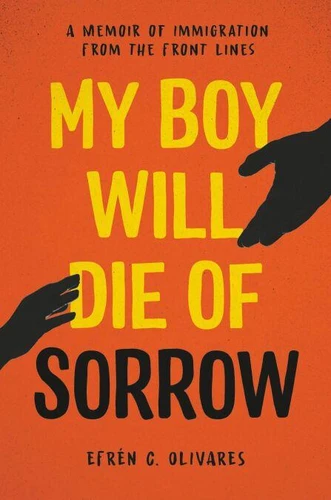
My Boy Will Die of Sorrow. A Memoir of Immigration From the Front Lines
Par :Formats :
Disponible dans votre compte client Decitre ou Furet du Nord dès validation de votre commande. Le format ePub protégé est :
- Compatible avec une lecture sur My Vivlio (smartphone, tablette, ordinateur)
- Compatible avec une lecture sur liseuses Vivlio
- Pour les liseuses autres que Vivlio, vous devez utiliser le logiciel Adobe Digital Edition. Non compatible avec la lecture sur les liseuses Kindle, Remarkable et Sony
- Non compatible avec un achat hors France métropolitaine
 , qui est-ce ?
Notre partenaire de plateforme de lecture numérique où vous retrouverez l'ensemble de vos ebooks gratuitement
Pour en savoir plus sur nos ebooks, consultez notre aide en ligne ici
C'est si simple ! Lisez votre ebook avec l'app Vivlio sur votre tablette, mobile ou ordinateur :

- Nombre de pages320
- FormatePub
- ISBN978-0-306-84727-1
- EAN9780306847271
- Date de parution11/07/2022
- Protection num.Adobe DRM
- Infos supplémentairesepub
- ÉditeurGrand Central Publishing
Résumé
INTERNATIONAL LATINO BOOK AWARD WINNER - The Raul Yzaguirre Best Political/Current Affairs Book This deeply personal perspective from a human rights lawyer-whose work on the front lines of the fight against family separations in South Texas intertwines with his own story of immigrating to the United States at thirteen-reframes the United States' history as a nation of immigrants but also a nation against immigrants.
In the summer of 2018, Efrén C. Olivares found himself representing hundreds of immigrant families when Zero Tolerance separated thousands of children from their parents at the U. S.-Mexico border. Twenty-five years earlier, he had been separated from his own father for several years when he migrated to the U. S. to work. Their family was eventually reunited in Texas, where Efrén and his brother went to high school and learned a new language and culture. By sharing these gripping family separation stories alongside his own, Olivares gives voice to immigrants who have been punished and silenced for seeking safety and opportunity.
Through him we meet Mario and his daughter Oralia, Viviana and her son Sandro, Patricia and her son Alessandro, and many others. We see how the principles that ostensibly bind the U. S. together fall apart at its borders. My Boy Will Die of Sorrow reflects on the immigrant experience then and now, on what separations do to families, and how the act of separation itself adds another layer to the immigrant identity.
Our concern for fellow human beings who live at the margins of our society-at the border, literally and figuratively-is shaped by how we view ourselves in relation both to our fellow citizens and to immigrants. He discusses not only law and immigration policy in accessible terms, but also makes the case for how this hostility is nothing new: children were put in cages when coming through Ellis Island, and Japanese Americans were forcibly separated from their families and interned during WWII.
By examining his personal story and the stories of the families he represents side by side, Olivares meaningfully engages readers with their assumptions about what nationhood means in America and challenges us to question our own empathy and compassion.
In the summer of 2018, Efrén C. Olivares found himself representing hundreds of immigrant families when Zero Tolerance separated thousands of children from their parents at the U. S.-Mexico border. Twenty-five years earlier, he had been separated from his own father for several years when he migrated to the U. S. to work. Their family was eventually reunited in Texas, where Efrén and his brother went to high school and learned a new language and culture. By sharing these gripping family separation stories alongside his own, Olivares gives voice to immigrants who have been punished and silenced for seeking safety and opportunity.
Through him we meet Mario and his daughter Oralia, Viviana and her son Sandro, Patricia and her son Alessandro, and many others. We see how the principles that ostensibly bind the U. S. together fall apart at its borders. My Boy Will Die of Sorrow reflects on the immigrant experience then and now, on what separations do to families, and how the act of separation itself adds another layer to the immigrant identity.
Our concern for fellow human beings who live at the margins of our society-at the border, literally and figuratively-is shaped by how we view ourselves in relation both to our fellow citizens and to immigrants. He discusses not only law and immigration policy in accessible terms, but also makes the case for how this hostility is nothing new: children were put in cages when coming through Ellis Island, and Japanese Americans were forcibly separated from their families and interned during WWII.
By examining his personal story and the stories of the families he represents side by side, Olivares meaningfully engages readers with their assumptions about what nationhood means in America and challenges us to question our own empathy and compassion.