SOLDES
Jusqu'à -70% sur une sélection d'articles*

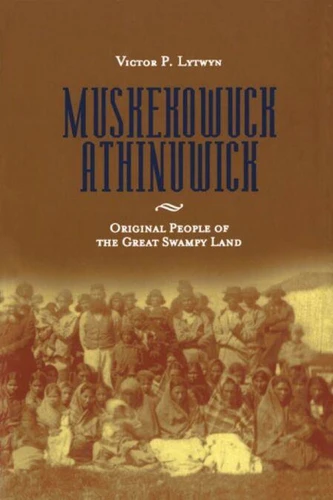
Muskekowuck Athinuwick. Original People of the Great Swampy Land
Par :Formats :
Disponible dans votre compte client Decitre ou Furet du Nord dès validation de votre commande. Le format ePub est :
- Compatible avec une lecture sur My Vivlio (smartphone, tablette, ordinateur)
- Compatible avec une lecture sur liseuses Vivlio
- Pour les liseuses autres que Vivlio, vous devez utiliser le logiciel Adobe Digital Edition. Non compatible avec la lecture sur les liseuses Kindle, Remarkable et Sony
 , qui est-ce ?
Notre partenaire de plateforme de lecture numérique où vous retrouverez l'ensemble de vos ebooks gratuitement
Pour en savoir plus sur nos ebooks, consultez notre aide en ligne ici
C'est si simple ! Lisez votre ebook avec l'app Vivlio sur votre tablette, mobile ou ordinateur :

- Nombre de pages304
- FormatePub
- ISBN0-88755-052-5
- EAN9780887550522
- Date de parution06/03/2002
- Protection num.Digital Watermarking
- Taille7 Mo
- Infos supplémentairesepub
- ÉditeurUniversity of Manitoba Press
Résumé
The original people of the Hudson Bay lowlands, often known as the Lowland Cree and known to themselves as Muskekowuck Athinuwick, were among the first Aboriginal peoples in northwestern North America to come into contact with Europeans. Muskekowuck Athinuwick challenges long-held misconceptions about the Lowland Cree and illustrates how historians have often misunderstood the role and resourcefulness of Aboriginal peoples during the fur-trade era.
Although their own oral histories tell that the Lowland Cree have lived in the region for thousands of years, many historians have portrayed the Lowland Cree as relative newcomers who were dependent on the Hudson's Bay Company fur-traders by the 1700s. In Muskekowuck Athinuwick, historical geographer Victor Lytwyn shows instead that the Lowland Cree had a well-established traditional society that, far from being dependent on Europeans, was instrumental in the survival of traders throughout the network of HBC forts during the 18th and 19th centuries.
Although their own oral histories tell that the Lowland Cree have lived in the region for thousands of years, many historians have portrayed the Lowland Cree as relative newcomers who were dependent on the Hudson's Bay Company fur-traders by the 1700s. In Muskekowuck Athinuwick, historical geographer Victor Lytwyn shows instead that the Lowland Cree had a well-established traditional society that, far from being dependent on Europeans, was instrumental in the survival of traders throughout the network of HBC forts during the 18th and 19th centuries.