SOLDES
Jusqu'à -70% sur une sélection d'articles*

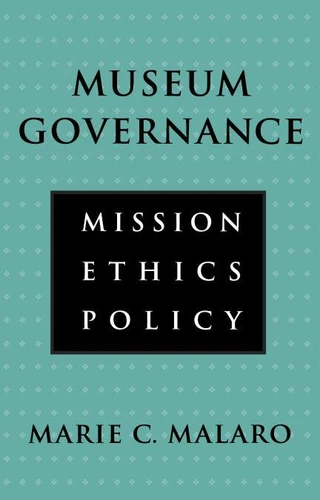
Museum Governance. Mission, Ethics, Policy
Par :Formats :
Disponible dans votre compte client Decitre ou Furet du Nord dès validation de votre commande. Le format ePub protégé est :
- Compatible avec une lecture sur My Vivlio (smartphone, tablette, ordinateur)
- Compatible avec une lecture sur liseuses Vivlio
- Pour les liseuses autres que Vivlio, vous devez utiliser le logiciel Adobe Digital Edition. Non compatible avec la lecture sur les liseuses Kindle, Remarkable et Sony
- Non compatible avec un achat hors France métropolitaine
 , qui est-ce ?
Notre partenaire de plateforme de lecture numérique où vous retrouverez l'ensemble de vos ebooks gratuitement
Pour en savoir plus sur nos ebooks, consultez notre aide en ligne ici
C'est si simple ! Lisez votre ebook avec l'app Vivlio sur votre tablette, mobile ou ordinateur :

- Nombre de pages192
- FormatePub
- ISBN978-1-58834-381-9
- EAN9781588343819
- Date de parution09/07/2013
- Protection num.Adobe DRM
- Taille2 Mo
- Infos supplémentairesepub
- ÉditeurSmithsonian Books
Résumé
In Museum Governance, Marie Malaro addresses a range of issues facing museum administrators and trustees, arguing they can handle their duties intelligently only if they understand two points-why our country sustains a nonprofit sector and what constitutes trusteeship. Armed with this knowledge, trustees can sort out knotty problems relating to corporate sponsorship, entrepreneurial activities, and fundraising in ways that preserve the integrity of the nonprofit.
Malaro first explores the principles of nonprofit governance. She explains the purpose and use of professional codes of ethics and offers practical advice about board education and its role in fostering the long-term health of an organization. She then applies these principles to situations frequently confronting trustees, discussing how to set collection strategies, balance mission and entreprenurial ventures, handle deaccessioning, maintain effective board oversight, approach automation, and deal with repatriation requests.
Malaro first explores the principles of nonprofit governance. She explains the purpose and use of professional codes of ethics and offers practical advice about board education and its role in fostering the long-term health of an organization. She then applies these principles to situations frequently confronting trustees, discussing how to set collection strategies, balance mission and entreprenurial ventures, handle deaccessioning, maintain effective board oversight, approach automation, and deal with repatriation requests.