SOLDES
Jusqu'à -70% sur une sélection d'articles*

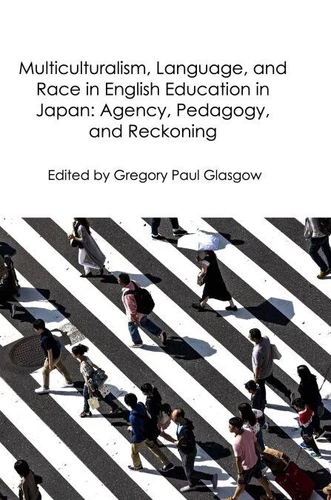
Multiculturalism, Language, and Race in English Education in Japan: Agency, Pedagogy, and Reckoning
Par :Formats :
Disponible dans votre compte client Decitre ou Furet du Nord dès validation de votre commande. Le format ePub est :
- Compatible avec une lecture sur My Vivlio (smartphone, tablette, ordinateur)
- Compatible avec une lecture sur liseuses Vivlio
- Pour les liseuses autres que Vivlio, vous devez utiliser le logiciel Adobe Digital Edition. Non compatible avec la lecture sur les liseuses Kindle, Remarkable et Sony
 , qui est-ce ?
Notre partenaire de plateforme de lecture numérique où vous retrouverez l'ensemble de vos ebooks gratuitement
Pour en savoir plus sur nos ebooks, consultez notre aide en ligne ici
C'est si simple ! Lisez votre ebook avec l'app Vivlio sur votre tablette, mobile ou ordinateur :

- FormatePub
- ISBN8215449554
- EAN9798215449554
- Date de parution16/02/2023
- Protection num.pas de protection
- Infos supplémentairesepub
- ÉditeurWMG Publishing
Résumé
The overall purpose of this volume is to initiate important conversations on race, language, and multiculturalism and how they currently inform pedagogical practice in English Language Teaching (ELT) in Japan. The editor and contributors explore the issues with the hope that the experiences and pedagogical actions documented in this volume will motivate others to take similar action. In ELT, problematic discourses regarding the notion of the "ownership of English" and the 'idealized speaker of English' linger due to the dichotomy between so-called 'non-native' English speaking teachers (NNESTs) and 'native' English-speaking teachers (NESTs) - a dichotomy that unfortunately intersects with views of ethnoracial and cultural difference.
These discourses influence pedagogical practices, educational cultures and social structures in educational institutions, thereby enhancing or constraining teacher and learner identities. More than ever, in our field, we need to establish pedagogical practices that can promote intercultural awareness, raise appreciation for diversity, and dismantle inequities.
These discourses influence pedagogical practices, educational cultures and social structures in educational institutions, thereby enhancing or constraining teacher and learner identities. More than ever, in our field, we need to establish pedagogical practices that can promote intercultural awareness, raise appreciation for diversity, and dismantle inequities.