
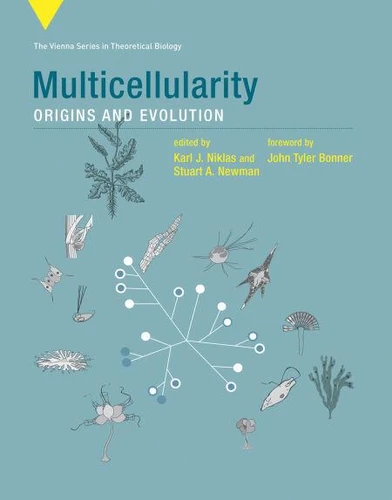
Multicellularity. Origins and Evolution
Par : , ,Formats :
Disponible dans votre compte client Decitre ou Furet du Nord dès validation de votre commande. Le format ePub protégé est :
- Compatible avec une lecture sur My Vivlio (smartphone, tablette, ordinateur)
- Compatible avec une lecture sur liseuses Vivlio
- Pour les liseuses autres que Vivlio, vous devez utiliser le logiciel Adobe Digital Edition. Non compatible avec la lecture sur les liseuses Kindle, Remarkable et Sony
- Non compatible avec un achat hors France métropolitaine
 , qui est-ce ?
Notre partenaire de plateforme de lecture numérique où vous retrouverez l'ensemble de vos ebooks gratuitement
Pour en savoir plus sur nos ebooks, consultez notre aide en ligne ici
C'est si simple ! Lisez votre ebook avec l'app Vivlio sur votre tablette, mobile ou ordinateur :

- Nombre de pages328
- FormatePub
- ISBN978-0-262-33375-7
- EAN9780262333757
- Date de parution19/02/2016
- Protection num.Adobe DRM
- Taille6 Mo
- Infos supplémentairesepub
- ÉditeurThe MIT Press
Résumé
Scholars consider the origins and consequences of the evolution of multicellularity, addressing a range of organisms, experimental protocols, theoretical concepts, and philosophical issues. The evolution of multicellularity raises questions regarding genomic and developmental commonalities and discordances, selective advantages and disadvantages, physical determinants of development, and the origins of morphological novelties.
It also represents a change in the definition of individuality, because a new organism emerges from interactions among single cells. This volume considers these and other questions, with contributions that explore the origins and consequences of the evolution of multicellularity, addressing a range of topics, organisms, and experimental protocols. Each section focuses on selected topics or particular lineages that present a significant insight or challenge.
The contributors consider the fossil record of the paleontological circumstances in which animal multicellularity evolved; cooptation, recurrent patterns, modularity, and plausible pathways for multicellular evolution in plants; theoretical approaches to the amoebozoa and fungi (cellular slime molds having long provided a robust model system for exploring the evolution of multicellularity), plants, and animals; genomic toolkits of metazoan multicellularity; and philosophical aspects of the meaning of individuality in light of multicellular evolution.
ContributorsMaja Adamska, Argyris Arnellos, Juan A. Arias, Eugenio Azpeitia, Mariana Benítez, Adriano Bonforti, John Tyler Bonner, Peter L. Conlin, A. Keith Dunker, Salva Duran-Nebreda, Ana E. Escalante, Valeria Hernández-Hernández, Kunihiko Kaneko, Andrew H. Knoll, Stephan G. König, Daniel J. G. Lahr, Ottoline Leyser, Alan C. Love, Raul Montañez, Emilio Mora van Cauwelaert, Alvaro Moreno, Vidyanand Nanjundiah, Aurora M.
Nedelcu, Stuart A. Newman, Karl J. Niklas, William C. Ratcliff, Iñaki Ruiz-Trillo, Ricard Solé
It also represents a change in the definition of individuality, because a new organism emerges from interactions among single cells. This volume considers these and other questions, with contributions that explore the origins and consequences of the evolution of multicellularity, addressing a range of topics, organisms, and experimental protocols. Each section focuses on selected topics or particular lineages that present a significant insight or challenge.
The contributors consider the fossil record of the paleontological circumstances in which animal multicellularity evolved; cooptation, recurrent patterns, modularity, and plausible pathways for multicellular evolution in plants; theoretical approaches to the amoebozoa and fungi (cellular slime molds having long provided a robust model system for exploring the evolution of multicellularity), plants, and animals; genomic toolkits of metazoan multicellularity; and philosophical aspects of the meaning of individuality in light of multicellular evolution.
ContributorsMaja Adamska, Argyris Arnellos, Juan A. Arias, Eugenio Azpeitia, Mariana Benítez, Adriano Bonforti, John Tyler Bonner, Peter L. Conlin, A. Keith Dunker, Salva Duran-Nebreda, Ana E. Escalante, Valeria Hernández-Hernández, Kunihiko Kaneko, Andrew H. Knoll, Stephan G. König, Daniel J. G. Lahr, Ottoline Leyser, Alan C. Love, Raul Montañez, Emilio Mora van Cauwelaert, Alvaro Moreno, Vidyanand Nanjundiah, Aurora M.
Nedelcu, Stuart A. Newman, Karl J. Niklas, William C. Ratcliff, Iñaki Ruiz-Trillo, Ricard Solé