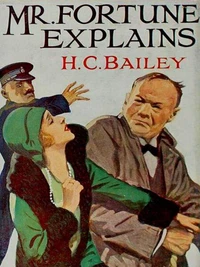
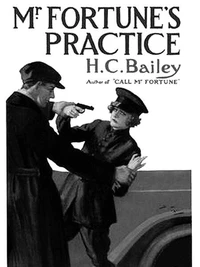
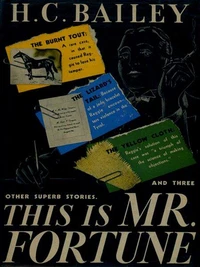
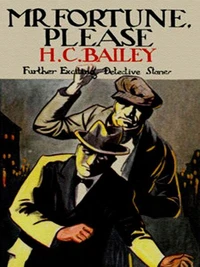
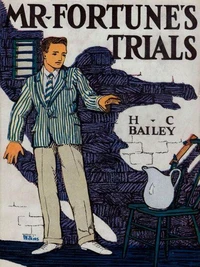
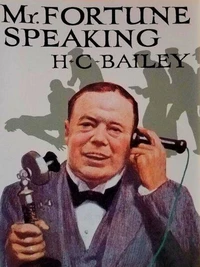
This book features nine short mystery stories starring Bailey's highly popular series protagonist, Reginald "Reggie" Fortune, a brilliant and independently-minded surgeon who acts as a scientific and medical advisor to Scotland Yard's Criminal Investigation Department.
Reggie Fortune is famously depicted as having a plump, cherubic appearance and a drawling, eccentric manner of speech-often drawing structural character comparisons to Dorothy L.
Sayers' Lord Peter Wimsey. Despite Reggie's whimsical mannerisms, the mysteries in Mr. Fortune Here and the broader series explore much darker, gritty elements than standard "cozy" Golden Age tropes, routinely tackling subjects like police corruption, murderous obsession, and crimes against vulnerable individuals or children.
As a pathologist sleuth, Mr. Fortune utilizes meticulous scientific observation, forensic analysis of poisons and bodies, and a natural skepticism of "obvious" evidence to unravel highly complex, deceptive plots.
Contemporary reviews, such as those from the New York Times in 1940, praised the collection as an excellent, engaging "bedside book" for fans of deeply conceived, puzzling classic detective fiction.
This book features nine short mystery stories starring Bailey's highly popular series protagonist, Reginald "Reggie" Fortune, a brilliant and independently-minded surgeon who acts as a scientific and medical advisor to Scotland Yard's Criminal Investigation Department.
Reggie Fortune is famously depicted as having a plump, cherubic appearance and a drawling, eccentric manner of speech-often drawing structural character comparisons to Dorothy L.
Sayers' Lord Peter Wimsey. Despite Reggie's whimsical mannerisms, the mysteries in Mr. Fortune Here and the broader series explore much darker, gritty elements than standard "cozy" Golden Age tropes, routinely tackling subjects like police corruption, murderous obsession, and crimes against vulnerable individuals or children.
As a pathologist sleuth, Mr. Fortune utilizes meticulous scientific observation, forensic analysis of poisons and bodies, and a natural skepticism of "obvious" evidence to unravel highly complex, deceptive plots.
Contemporary reviews, such as those from the New York Times in 1940, praised the collection as an excellent, engaging "bedside book" for fans of deeply conceived, puzzling classic detective fiction.

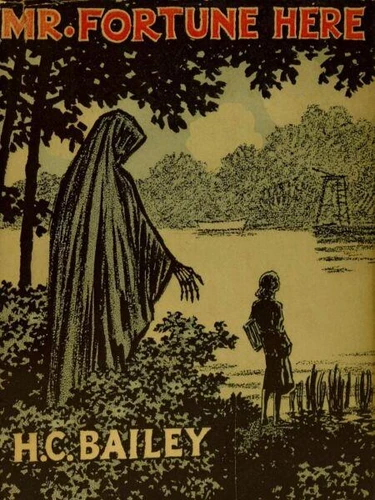
 , qui est-ce ?