
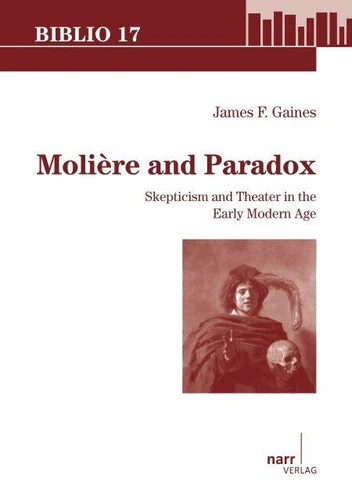
Molière and Paradox. Skepticism and Theater in the Early Modern Age
Par :Formats :
Disponible dans votre compte client Decitre ou Furet du Nord dès validation de votre commande. Le format PDF est :
- Compatible avec une lecture sur My Vivlio (smartphone, tablette, ordinateur)
- Compatible avec une lecture sur liseuses Vivlio
- Pour les liseuses autres que Vivlio, vous devez utiliser le logiciel Adobe Digital Edition. Non compatible avec la lecture sur les liseuses Kindle, Remarkable et Sony
 , qui est-ce ?
Notre partenaire de plateforme de lecture numérique où vous retrouverez l'ensemble de vos ebooks gratuitement
Pour en savoir plus sur nos ebooks, consultez notre aide en ligne ici
C'est si simple ! Lisez votre ebook avec l'app Vivlio sur votre tablette, mobile ou ordinateur :

- Nombre de pages151
- FormatPDF
- ISBN978-3-8233-7577-7
- EAN9783823375777
- Date de parution18/08/2010
- Protection num.Digital Watermarking
- Taille619 Ko
- Infos supplémentairespdf
- ÉditeurGunter Narr Verlag
Résumé
Offering a wide perspective on Molière´plays, this study opens a new opportunity for understanding the dramatist´s links to the tradition and methods of Sextus Empiricus and his followers. By concentrating on the multiple uses of paradox in language, thought , and stagecraft, it updates Molière studies throught the major philosophical research of the past twenty years, which have seen a resurgent recognition of Sextus´s role in early modern thought.
Designed to be useful to students of theatre and philosophy as well as to French literature specialists, it enriches the interpretation of Moliere´s major masterpieces, as well as showing the evolution of skeptical influences through the course of his entire career as writer and actor. Characters such as Dom Juan, Arnolphe, Tartuffe, Alceste and Sganarelle assume their full importance in the philosophical dialogue of the Age of Louis XIV.
Designed to be useful to students of theatre and philosophy as well as to French literature specialists, it enriches the interpretation of Moliere´s major masterpieces, as well as showing the evolution of skeptical influences through the course of his entire career as writer and actor. Characters such as Dom Juan, Arnolphe, Tartuffe, Alceste and Sganarelle assume their full importance in the philosophical dialogue of the Age of Louis XIV.