SOLDES
Jusqu'à -70% sur une sélection d'articles*

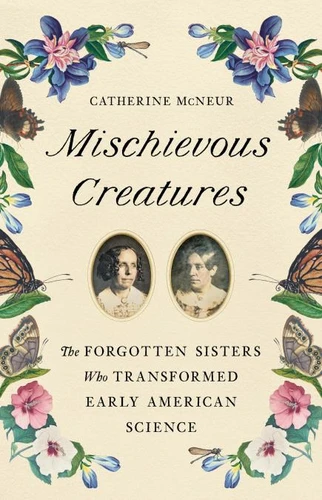
Mischievous Creatures. The Forgotten Sisters Who Transformed Early American Science
Par :Formats :
Disponible dans votre compte client Decitre ou Furet du Nord dès validation de votre commande. Le format ePub protégé est :
- Compatible avec une lecture sur My Vivlio (smartphone, tablette, ordinateur)
- Compatible avec une lecture sur liseuses Vivlio
- Pour les liseuses autres que Vivlio, vous devez utiliser le logiciel Adobe Digital Edition. Non compatible avec la lecture sur les liseuses Kindle, Remarkable et Sony
- Non compatible avec un achat hors France métropolitaine
 , qui est-ce ?
Notre partenaire de plateforme de lecture numérique où vous retrouverez l'ensemble de vos ebooks gratuitement
Pour en savoir plus sur nos ebooks, consultez notre aide en ligne ici
C'est si simple ! Lisez votre ebook avec l'app Vivlio sur votre tablette, mobile ou ordinateur :

- Nombre de pages432
- FormatePub
- ISBN978-1-5416-7418-9
- EAN9781541674189
- Date de parution30/10/2023
- Protection num.Adobe DRM
- Infos supplémentairesepub
- ÉditeurBasic Books
Résumé
The untold story of two sisters whose discoveries sped the growth of American science in the nineteenth century, combining "meticulous research and sensitive storytelling" (Janice P. Nimura, New York Times-bestselling author of The Doctors Blackwell) In Mischievous Creatures, historian Catherine McNeur uncovers the lives and work of Margaretta Hare Morris and Elizabeth Carrington Morris, sisters and scientists in early America.
Margaretta, an entomologist, was famous among her peers and the public for her research on seventeen-year cicadas and other troublesome insects. Elizabeth, a botanist, was a prolific illustrator and a trusted supplier of specimens to the country's leading experts. Together, their discoveries helped fuel the growth and professionalization of science in antebellum America. But these very developments confined women in science to underpaid and underappreciated roles for generations to follow, erasing the Morris sisters' contributions along the way.
Mischievous Creatures is an indelible portrait of two unsung pioneers, one that places women firmly at the center of the birth of American science.
Margaretta, an entomologist, was famous among her peers and the public for her research on seventeen-year cicadas and other troublesome insects. Elizabeth, a botanist, was a prolific illustrator and a trusted supplier of specimens to the country's leading experts. Together, their discoveries helped fuel the growth and professionalization of science in antebellum America. But these very developments confined women in science to underpaid and underappreciated roles for generations to follow, erasing the Morris sisters' contributions along the way.
Mischievous Creatures is an indelible portrait of two unsung pioneers, one that places women firmly at the center of the birth of American science.