SOLDES
Jusqu'à -70% sur une sélection d'articles*

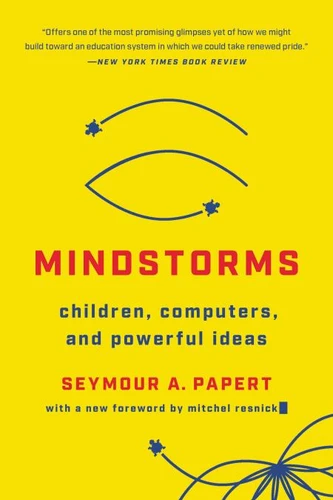
Mindstorms. Children, Computers, And Powerful Ideas
Par :Formats :
Disponible dans votre compte client Decitre ou Furet du Nord dès validation de votre commande. Le format ePub protégé est :
- Compatible avec une lecture sur My Vivlio (smartphone, tablette, ordinateur)
- Compatible avec une lecture sur liseuses Vivlio
- Pour les liseuses autres que Vivlio, vous devez utiliser le logiciel Adobe Digital Edition. Non compatible avec la lecture sur les liseuses Kindle, Remarkable et Sony
- Non compatible avec un achat hors France métropolitaine
 , qui est-ce ?
Notre partenaire de plateforme de lecture numérique où vous retrouverez l'ensemble de vos ebooks gratuitement
Pour en savoir plus sur nos ebooks, consultez notre aide en ligne ici
C'est si simple ! Lisez votre ebook avec l'app Vivlio sur votre tablette, mobile ou ordinateur :

- Nombre de pages288
- FormatePub
- ISBN978-1-5416-7510-0
- EAN9781541675100
- Date de parution05/10/2020
- Protection num.Adobe DRM
- Infos supplémentairesepub
- ÉditeurBasic Books
Résumé
In this revolutionary book, a renowned computer scientist explains the importance of teaching children the basics of computing and how it can prepare them to succeed in the ever-evolving tech world. Computers have completely changed the way we teach children. We have Mindstorms to thank for that. In this book, pioneering computer scientist Seymour Papert uses the invention of LOGO, the first child-friendly programming language, to make the case for the value of teaching children with computers.
Papert argues that children are more than capable of mastering computers, and that teaching computational processes like de-bugging in the classroom can change the way we learn everything else. He also shows that schools saturated with technology can actually improve socialization and interaction among students and between students and teachers. Technology changes every day, but the basic ways that computers can help us learn remain.
For thousands of teachers and parents who have sought creative ways to help children learn with computers, Mindstorms is their bible.
Papert argues that children are more than capable of mastering computers, and that teaching computational processes like de-bugging in the classroom can change the way we learn everything else. He also shows that schools saturated with technology can actually improve socialization and interaction among students and between students and teachers. Technology changes every day, but the basic ways that computers can help us learn remain.
For thousands of teachers and parents who have sought creative ways to help children learn with computers, Mindstorms is their bible.