Karl Heinz Voigt ist Pastor der Evangelisch-methodistischen Kirche. Er hat als Ökumene-Beauftragter Jahrzehnte in ökumenischen Gremien mitgewirkt. 2007 erhielt er in den USA für seine historischen Forschungen den Distinguished Service Award.
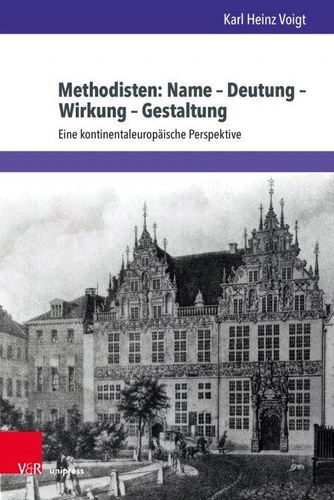
Methodisten: Name – Deutung – Wirkung – Gestaltung. Eine kontinentaleuropäische Perspektive
Par :Formats :
Disponible dans votre compte client Decitre ou Furet du Nord dès validation de votre commande. Le format PDF est :
- Compatible avec une lecture sur My Vivlio (smartphone, tablette, ordinateur)
- Compatible avec une lecture sur liseuses Vivlio
- Pour les liseuses autres que Vivlio, vous devez utiliser le logiciel Adobe Digital Edition. Non compatible avec la lecture sur les liseuses Kindle, Remarkable et Sony
 , qui est-ce ?
Notre partenaire de plateforme de lecture numérique où vous retrouverez l'ensemble de vos ebooks gratuitement
Pour en savoir plus sur nos ebooks, consultez notre aide en ligne ici
C'est si simple ! Lisez votre ebook avec l'app Vivlio sur votre tablette, mobile ou ordinateur :

- Nombre de pages472
- FormatPDF
- ISBN978-3-8470-1182-8
- EAN9783847011828
- Date de parution13/07/2020
- Protection num.pas de protection
- Taille10 Mo
- Infos supplémentairespdf
- ÉditeurV&R Unipress
Résumé
Die Studie zeigt, wie die europäische Kirchenkultur aus der Reformationszeit mit territorial und flächendeckend organisierten Staatskirchen in Amerika um eine andere Kirchenkultur auf der Basis der Religionsfreiheit ergänzt wurde. Zuerst begegneten sich diese beiden Typen durch die Auswanderer in Amerika. Später erlebten Kirchen aus den USA in Europa Zurückweisungen. Das Aufeinandertreffen dieser Kirchenkulturen führte dort wie hier zu Konflikten.
Am Ende wird jedoch ein Paradigmenwechsel sichtbar. Die europäischen Kirchen wurden über Jahrhunderte durch ihren flächendeckenden Alleinanspruch zu »Betreuungskirchen« . Die methodistische Tradition, um die es in dieser Studie geht, ist geschichtlich durch ihre ursprüngliche Praxis, ihre Theologie und ihre Ordnung als »Missionskirche« organisiert. Karl Heinz Voigt schildert konkret das Aufeinandertreffen und zeigt darin die speziell europäische Erfahrung. For the first time, Karl Heinz Voigt presents an overview of the four most common uses of the term "Methodist" in Germany: "Catholic Methodists" (17th century), "Pietist Methodists" (18th century), "Methodists of Wesleyan tradition" (19th century) and "Methodists within the Landeskirche".
Additionally, he demonstrates that the term "Methodist" was interpreted in a wrong or misleading manner at universities, in literature and school books during the 19th century. When Methodists began their mission in Germany around 1850 two church cultures collided: one that was state-oriented and one which had developed in freedom of religion. Eventually, he concludes that, starting with John Wesley, since the founding of the church in 1784 there has been an ongoing and unplanned ecclesiological change of paradigm.
Instead of local "Ministering churches" the Methodists organised a worldwide "Missionary Church".
Am Ende wird jedoch ein Paradigmenwechsel sichtbar. Die europäischen Kirchen wurden über Jahrhunderte durch ihren flächendeckenden Alleinanspruch zu »Betreuungskirchen« . Die methodistische Tradition, um die es in dieser Studie geht, ist geschichtlich durch ihre ursprüngliche Praxis, ihre Theologie und ihre Ordnung als »Missionskirche« organisiert. Karl Heinz Voigt schildert konkret das Aufeinandertreffen und zeigt darin die speziell europäische Erfahrung. For the first time, Karl Heinz Voigt presents an overview of the four most common uses of the term "Methodist" in Germany: "Catholic Methodists" (17th century), "Pietist Methodists" (18th century), "Methodists of Wesleyan tradition" (19th century) and "Methodists within the Landeskirche".
Additionally, he demonstrates that the term "Methodist" was interpreted in a wrong or misleading manner at universities, in literature and school books during the 19th century. When Methodists began their mission in Germany around 1850 two church cultures collided: one that was state-oriented and one which had developed in freedom of religion. Eventually, he concludes that, starting with John Wesley, since the founding of the church in 1784 there has been an ongoing and unplanned ecclesiological change of paradigm.
Instead of local "Ministering churches" the Methodists organised a worldwide "Missionary Church".