OFFRE LISEUSES
Une liseuse achetée = une housse offerte* jusqu'au 21 juin

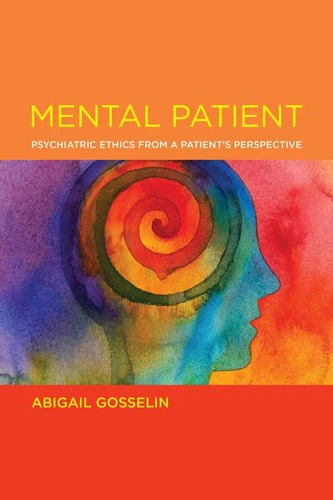
Mental Patient. Psychiatric Ethics from a Patient’s Perspective
Par :Formats :
Disponible dans votre compte client Decitre ou Furet du Nord dès validation de votre commande. Le format ePub protégé est :
- Compatible avec une lecture sur My Vivlio (smartphone, tablette, ordinateur)
- Compatible avec une lecture sur liseuses Vivlio
- Pour les liseuses autres que Vivlio, vous devez utiliser le logiciel Adobe Digital Edition. Non compatible avec la lecture sur les liseuses Kindle, Remarkable et Sony
- Non compatible avec un achat hors France métropolitaine
 , qui est-ce ?
Notre partenaire de plateforme de lecture numérique où vous retrouverez l'ensemble de vos ebooks gratuitement
Pour en savoir plus sur nos ebooks, consultez notre aide en ligne ici
C'est si simple ! Lisez votre ebook avec l'app Vivlio sur votre tablette, mobile ou ordinateur :

- Nombre de pages308
- FormatePub
- ISBN978-0-262-37122-3
- EAN9780262371223
- Date de parution13/12/2022
- Protection num.Adobe DRM
- Taille401 Ko
- Infos supplémentairesepub
- ÉditeurThe MIT Press
Résumé
A philosopher who has experienced psychosis argues that recovery requires regaining agency and autonomy within a therapeutic relationship based on mutual trust. In Mental Patient, philosopher Abigail Gosselin uses her personal experiences with psychosis and the process of recovery to explore often overlooked psychiatric ethics. For many people who struggle with psychosis, she argues, psychosis impairs agency and autonomy.
She shows how clinicians can help psychiatric patients regain agency and autonomy through a positive therapeutic relationship characterized by mutual trust. Patients, she says, need to take an active role in regaining their agency and autonomy-specifically, by giving testimony, constructing a narrative of their experience to instill meaning, making choices about treatment, and deciding to show up and participate in life activities. Gosselin examines how psychotic experience is medicalized and describes what it is like to be a patient receiving mental health care treatment.
In addition to mutual trust, she says, a productive therapeutic relationship requires the clinician's empathetic understanding of the patient's experiences and perspective. She also explains why psychotic patients sometimes feel ambivalent about recovery and struggle to stay committed to it. The psychiatric ethics issues she examines include the development of epistemic agency and credibility, epistemic justice, the use of coercion, therapeutic alliance, the significance of choice, and the taking of responsibility.
Mental Patient differs from straightforward memoirs of psychiatric illness in that it analyses philosophic issues related to psychosis and recovery, and it differs from other books on psychiatric ethics in that its analyses are drawn from the author's first-person experiences as a mental patient.
She shows how clinicians can help psychiatric patients regain agency and autonomy through a positive therapeutic relationship characterized by mutual trust. Patients, she says, need to take an active role in regaining their agency and autonomy-specifically, by giving testimony, constructing a narrative of their experience to instill meaning, making choices about treatment, and deciding to show up and participate in life activities. Gosselin examines how psychotic experience is medicalized and describes what it is like to be a patient receiving mental health care treatment.
In addition to mutual trust, she says, a productive therapeutic relationship requires the clinician's empathetic understanding of the patient's experiences and perspective. She also explains why psychotic patients sometimes feel ambivalent about recovery and struggle to stay committed to it. The psychiatric ethics issues she examines include the development of epistemic agency and credibility, epistemic justice, the use of coercion, therapeutic alliance, the significance of choice, and the taking of responsibility.
Mental Patient differs from straightforward memoirs of psychiatric illness in that it analyses philosophic issues related to psychosis and recovery, and it differs from other books on psychiatric ethics in that its analyses are drawn from the author's first-person experiences as a mental patient.