SOLDES
Jusqu'à -70% sur une sélection d'articles*

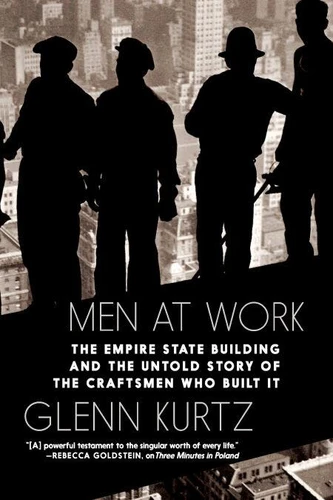
Men at Work. The Empire State Building and the Untold Story of the Craftsmen who Built It
Par :Formats :
Disponible dans votre compte client Decitre ou Furet du Nord dès validation de votre commande. Le format ePub protégé est :
- Compatible avec une lecture sur My Vivlio (smartphone, tablette, ordinateur)
- Compatible avec une lecture sur liseuses Vivlio
- Pour les liseuses autres que Vivlio, vous devez utiliser le logiciel Adobe Digital Edition. Non compatible avec la lecture sur les liseuses Kindle, Remarkable et Sony
- Non compatible avec un achat hors France métropolitaine
 , qui est-ce ?
Notre partenaire de plateforme de lecture numérique où vous retrouverez l'ensemble de vos ebooks gratuitement
Pour en savoir plus sur nos ebooks, consultez notre aide en ligne ici
C'est si simple ! Lisez votre ebook avec l'app Vivlio sur votre tablette, mobile ou ordinateur :

- Nombre de pages352
- FormatePub
- ISBN978-1-64421-503-6
- EAN9781644215036
- Date de parution11/11/2025
- Protection num.Adobe DRM
- Taille56 Mo
- Infos supplémentairesepub
- ÉditeurSeven Stories Press
Résumé
The author of Three Minutes in Poland and Practicing uncovers the identities of the Empire State Building construction workers, made famous by Lewis W. Hine's legendary portraits. This little-known chapter of American labor history captures forgotten stories and features more than 75 photos and other illustrations-some by Hine that have never been seen before-of working class, immigrant, and indigenous lives who built the architectural icon.
Who built the Empire State Building? Astonishingly, no list of workmen on this historic landmark was ever compiled. While the names of the owners, architects, and contractors are well known, and Lewis Hine left us indelible images of the workers, their identities-the last generation of workmen still practicing these time-honored trades, have not been identified until author Glenn Kurtz unearthed their individual stories for this book.
Drawing on eclectic sources-census, immigration, and union records; contemporary journalism; the personal recollections of their descendants-Kurtz assembles biographies of these workers, providing not only a portrait of the building's labor force, and a revolutionary re-interpretation of Hine's world-famous photographs, but also a fundamental reimagining of what made the Empire State Building a fitting symbol for the nation, built as it was at the very height of the Great Depression.
For ninety years, photographer Lewis W. Hine's iconic portraits and photographs have served as potent symbols of America in the early 1930s. Yet as famous as Hine's images are, they have never been seen in their proper historical context. By identifying the individuals that built the early skyscraper, Men at Work transforms Hine's evocative portraits from abstract symbols of an era into documentary evidence of specific, working-class, immigrant and indigenous American lives.
Who built the Empire State Building? Astonishingly, no list of workmen on this historic landmark was ever compiled. While the names of the owners, architects, and contractors are well known, and Lewis Hine left us indelible images of the workers, their identities-the last generation of workmen still practicing these time-honored trades, have not been identified until author Glenn Kurtz unearthed their individual stories for this book.
Drawing on eclectic sources-census, immigration, and union records; contemporary journalism; the personal recollections of their descendants-Kurtz assembles biographies of these workers, providing not only a portrait of the building's labor force, and a revolutionary re-interpretation of Hine's world-famous photographs, but also a fundamental reimagining of what made the Empire State Building a fitting symbol for the nation, built as it was at the very height of the Great Depression.
For ninety years, photographer Lewis W. Hine's iconic portraits and photographs have served as potent symbols of America in the early 1930s. Yet as famous as Hine's images are, they have never been seen in their proper historical context. By identifying the individuals that built the early skyscraper, Men at Work transforms Hine's evocative portraits from abstract symbols of an era into documentary evidence of specific, working-class, immigrant and indigenous American lives.