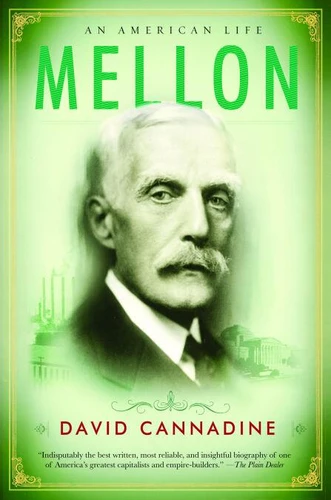
Mellon
Par :Formats :
Disponible dans votre compte client Decitre ou Furet du Nord dès validation de votre commande. Le format ePub protégé est :
- Compatible avec une lecture sur My Vivlio (smartphone, tablette, ordinateur)
- Compatible avec une lecture sur liseuses Vivlio
- Pour les liseuses autres que Vivlio, vous devez utiliser le logiciel Adobe Digital Edition. Non compatible avec la lecture sur les liseuses Kindle, Remarkable et Sony
- Non compatible avec un achat hors France métropolitaine
 , qui est-ce ?
Notre partenaire de plateforme de lecture numérique où vous retrouverez l'ensemble de vos ebooks gratuitement
Pour en savoir plus sur nos ebooks, consultez notre aide en ligne ici
C'est si simple ! Lisez votre ebook avec l'app Vivlio sur votre tablette, mobile ou ordinateur :

- Nombre de pages832
- FormatePub
- ISBN978-0-593-46731-2
- EAN9780593467312
- Date de parution02/06/2021
- Protection num.Adobe DRM
- Taille99 Mo
- Infos supplémentairesepub
- ÉditeurVintage
Résumé
A landmark work from one of the preeminent historians of our time: the first published biography of Andrew W. Mellon, the American colossus who bestrode the worlds of industry, government, and philanthropy, leaving his transformative stamp on each. Andrew Mellon, one of America's greatest financiers, built a legendary personal fortune from banking to oil to aluminum manufacture, tracking America's course to global economic supremacy.
As treasury secretary under Presidents Harding, Coolidge, and finally Hoover, Mellon made the federal government run like a business-prefiguring the public official as CEO. He would be hailed as the architect of the Roaring Twenties, but, staying too long, would be blamed for the Great Depression, eventually to find himself a broken idol. Collecting art was his only nonprofessional gratification and his great gift to the American people, The National Gallery of Art, remains his most tangible legacy.
As treasury secretary under Presidents Harding, Coolidge, and finally Hoover, Mellon made the federal government run like a business-prefiguring the public official as CEO. He would be hailed as the architect of the Roaring Twenties, but, staying too long, would be blamed for the Great Depression, eventually to find himself a broken idol. Collecting art was his only nonprofessional gratification and his great gift to the American people, The National Gallery of Art, remains his most tangible legacy.