SOLDES
Jusqu'à -70% sur une sélection d'articles*

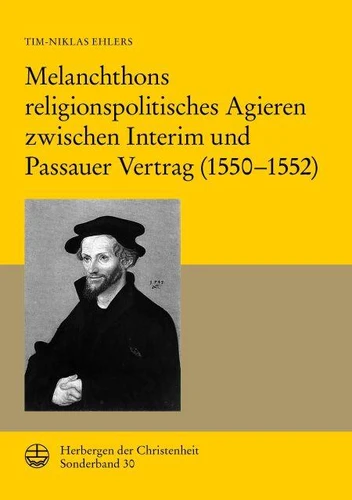
Melanchthons religionspolitisches Agieren zwischen Interim und Passauer Vertrag (1550–1552)
Par :Formats :
Disponible dans votre compte client Decitre ou Furet du Nord dès validation de votre commande. Le format PDF est :
- Compatible avec une lecture sur My Vivlio (smartphone, tablette, ordinateur)
- Compatible avec une lecture sur liseuses Vivlio
- Pour les liseuses autres que Vivlio, vous devez utiliser le logiciel Adobe Digital Edition. Non compatible avec la lecture sur les liseuses Kindle, Remarkable et Sony
 , qui est-ce ?
Notre partenaire de plateforme de lecture numérique où vous retrouverez l'ensemble de vos ebooks gratuitement
Pour en savoir plus sur nos ebooks, consultez notre aide en ligne ici
C'est si simple ! Lisez votre ebook avec l'app Vivlio sur votre tablette, mobile ou ordinateur :

- Nombre de pages352
- FormatPDF
- ISBN978-3-374-07568-3
- EAN9783374075683
- Date de parution26/04/2024
- Protection num.Digital Watermarking
- Taille2 Mo
- Infos supplémentairespdf
- ÉditeurEvangelische Verlagsanstalt
Résumé
Die Jahre 1550-1552 waren aus heutiger Sicht Schicksalsjahre der Reformation. Wenige Jahre nach dem Tod Luthers und der Niederlage der Protestanten im Schmalkaldischen Krieg war Kaiser Karl V. gewillt, die religionspolitischen Streitigkeiten auf der Fortsetzung des Trienter Konzils endgültig beizulegen. Philipp Melanchthon wurde als religionspolitischer Berater des Kurfürsten Moritz von Sachsen mit den Vorbereitungen auf eine Teilnahme betraut.
Dafür verfasste Melanchthon nicht nur mit der Confessio Saxonica eine neue Bekenntnisschrift, sondern bemühte sich auch um eine abgestimmte evangelische Konzilsvorbereitung. Dass es schließlich nicht zu diesem Besuch kam, ist Moritz von Sachsen zuzuschreiben, der sich für eine militärische Intervention gegen den Kaiser entschied. Auch wenn diese riskante Unternehmung erfolgreich verlief, haderte Melanchthon auch noch nach dem Abschluss des Passauer Vertrags mit diesem Vorgehen. [Melanchthon's Religious-Political Activities between the Interim and the Treaty of Passau] From today's perspective, the years 1550-1552 were crucial years for the Reformation.
A few years after Luther's death and the defeat of the Protestants in the Schmalkaldic War, Emperor Charles V was willing to finally settle the religious-political disputes at the continuation of the Council of Trent. Philipp Melanchthon was entrusted with the preparations for participation as religious-political advisor to the Kurfürst Moritz of Saxony. For this purpose, Melanchthon not only wrote a new confession, the Confessio Saxonica, but also made efforts to coordinate Protestant preparations for the Council.
The fact that it finally did not come to a visit is attributable to Moritz of Saxony, who decided in favor of a military intervention against the emperor. Even though this risky venture was successful, Melanchthon continued to resent this course of action even after the Treaty of Passau was concluded.
Dafür verfasste Melanchthon nicht nur mit der Confessio Saxonica eine neue Bekenntnisschrift, sondern bemühte sich auch um eine abgestimmte evangelische Konzilsvorbereitung. Dass es schließlich nicht zu diesem Besuch kam, ist Moritz von Sachsen zuzuschreiben, der sich für eine militärische Intervention gegen den Kaiser entschied. Auch wenn diese riskante Unternehmung erfolgreich verlief, haderte Melanchthon auch noch nach dem Abschluss des Passauer Vertrags mit diesem Vorgehen. [Melanchthon's Religious-Political Activities between the Interim and the Treaty of Passau] From today's perspective, the years 1550-1552 were crucial years for the Reformation.
A few years after Luther's death and the defeat of the Protestants in the Schmalkaldic War, Emperor Charles V was willing to finally settle the religious-political disputes at the continuation of the Council of Trent. Philipp Melanchthon was entrusted with the preparations for participation as religious-political advisor to the Kurfürst Moritz of Saxony. For this purpose, Melanchthon not only wrote a new confession, the Confessio Saxonica, but also made efforts to coordinate Protestant preparations for the Council.
The fact that it finally did not come to a visit is attributable to Moritz of Saxony, who decided in favor of a military intervention against the emperor. Even though this risky venture was successful, Melanchthon continued to resent this course of action even after the Treaty of Passau was concluded.