SOLDES
Jusqu'à -70% sur une sélection d'articles*

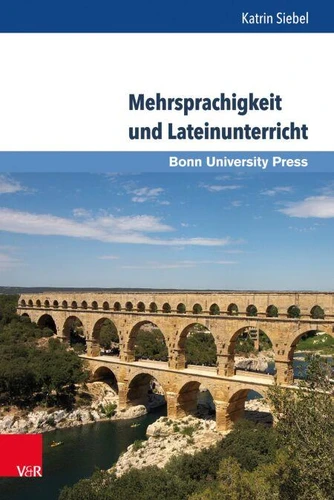
Mehrsprachigkeit und Lateinunterricht. Überlegungen zum lateinischen Lernwortschatz
Par :Formats :
Disponible dans votre compte client Decitre ou Furet du Nord dès validation de votre commande. Le format PDF est :
- Compatible avec une lecture sur My Vivlio (smartphone, tablette, ordinateur)
- Compatible avec une lecture sur liseuses Vivlio
- Pour les liseuses autres que Vivlio, vous devez utiliser le logiciel Adobe Digital Edition. Non compatible avec la lecture sur les liseuses Kindle, Remarkable et Sony
 , qui est-ce ?
Notre partenaire de plateforme de lecture numérique où vous retrouverez l'ensemble de vos ebooks gratuitement
Pour en savoir plus sur nos ebooks, consultez notre aide en ligne ici
C'est si simple ! Lisez votre ebook avec l'app Vivlio sur votre tablette, mobile ou ordinateur :

- Nombre de pages394
- FormatPDF
- ISBN978-3-8470-0669-5
- EAN9783847006695
- Date de parution17/07/2017
- Protection num.pas de protection
- Taille10 Mo
- Infos supplémentairespdf
- ÉditeurV&R Unipress
Résumé
Mit ihrer Studie erschließt Katrin Siebel das weite Feld der Mehrsprachigkeit und deren Didaktik erstmals systematisch für die Schulfremdsprache Latein. Am Beispiel des lateinischen Lernwortschatzes zeigt sie, inwiefern sich die Lateindidaktik an den vorliegenden Erkenntnissen relevanter Nachbardisziplinen (Mehrsprachigkeitsdidaktik, Didaktik der modernen Fremdsprachen sowie des Deutschen als Zweitsprache) orientieren kann.
Die Förderung rezeptiver Mehrsprachigkeit sowie der explizite Einsatz von Erschließungsstrategien im Lateinunterricht können zu den Synergieeffekten führen, die die Lateindidaktik schon lange als ein Merkmal des Fachs beansprucht. For the first time ever, Katrin Siebel systematically explores the diverse field of multilingualism and its didactics, centring her study on one foreign language taught in schools in particular: Latin.
Taking the example of Latin literary vocabulary, she demonstrates the extent to which Latin Studies can orient themselves to the present findings of relevant related disciplines (multilingual studies, studies of modern foreign languages and German as a second language). The promotion of receptive multilingualism as well as the explicit use of development strategies in Latin lessons can lead to synergy effects, which Latin Studies have long claimed to be a feature of the subject.
Die Förderung rezeptiver Mehrsprachigkeit sowie der explizite Einsatz von Erschließungsstrategien im Lateinunterricht können zu den Synergieeffekten führen, die die Lateindidaktik schon lange als ein Merkmal des Fachs beansprucht. For the first time ever, Katrin Siebel systematically explores the diverse field of multilingualism and its didactics, centring her study on one foreign language taught in schools in particular: Latin.
Taking the example of Latin literary vocabulary, she demonstrates the extent to which Latin Studies can orient themselves to the present findings of relevant related disciplines (multilingual studies, studies of modern foreign languages and German as a second language). The promotion of receptive multilingualism as well as the explicit use of development strategies in Latin lessons can lead to synergy effects, which Latin Studies have long claimed to be a feature of the subject.