
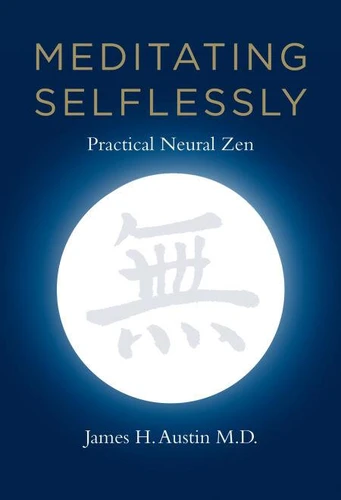
Meditating Selflessly. Practical Neural Zen
Par :Formats :
Disponible dans votre compte client Decitre ou Furet du Nord dès validation de votre commande. Le format ePub protégé est :
- Compatible avec une lecture sur My Vivlio (smartphone, tablette, ordinateur)
- Compatible avec une lecture sur liseuses Vivlio
- Pour les liseuses autres que Vivlio, vous devez utiliser le logiciel Adobe Digital Edition. Non compatible avec la lecture sur les liseuses Kindle, Remarkable et Sony
- Non compatible avec un achat hors France métropolitaine
 , qui est-ce ?
Notre partenaire de plateforme de lecture numérique où vous retrouverez l'ensemble de vos ebooks gratuitement
Pour en savoir plus sur nos ebooks, consultez notre aide en ligne ici
C'est si simple ! Lisez votre ebook avec l'app Vivlio sur votre tablette, mobile ou ordinateur :

- Nombre de pages280
- FormatePub
- ISBN978-0-262-29771-4
- EAN9780262297714
- Date de parution07/10/2011
- Protection num.Adobe DRM
- Taille2 Mo
- Infos supplémentairesepub
- ÉditeurThe MIT Press
Résumé
A guide to Zen meditative practice informed by the latest findings in brain research. This is not the usual kind of self-help book. Indeed, its major premise heeds a Zen master's advice to be less self-centered. Yes, it is "one more book of words about Zen, " as the author concedes, yet this book explains meditative practices from the perspective of a "neural Zen." The latest findings in brain research inform its suggestions.
In Meditating Selflessly, James Austin-Zen practitioner, neurologist, and author of three acclaimed books on Zen and neuroscience-guides readers toward that open awareness already awaiting them on the cushion and in the natural world. Austin offers concrete advice-often in a simplified question-and-answer format-about different ways to meditate. He clarifies both the concentrative and receptive styles of meditation.
Drawing widely from the exciting new field of contemplative neuroscience, Austin helps resolve an ancient paradox: why both insight wisdom and selflessness arise simultaneously during enlightened states of consciousness.
In Meditating Selflessly, James Austin-Zen practitioner, neurologist, and author of three acclaimed books on Zen and neuroscience-guides readers toward that open awareness already awaiting them on the cushion and in the natural world. Austin offers concrete advice-often in a simplified question-and-answer format-about different ways to meditate. He clarifies both the concentrative and receptive styles of meditation.
Drawing widely from the exciting new field of contemplative neuroscience, Austin helps resolve an ancient paradox: why both insight wisdom and selflessness arise simultaneously during enlightened states of consciousness.