
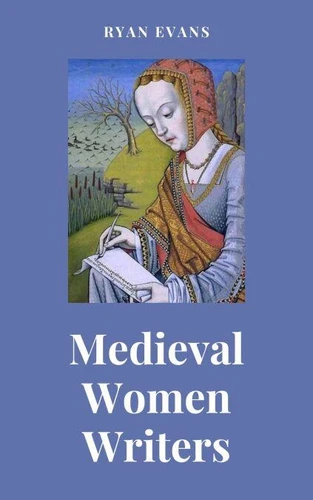
Medieval Women Writers
Par :Formats :
Disponible dans votre compte client Decitre ou Furet du Nord dès validation de votre commande. Le format ePub est :
- Compatible avec une lecture sur My Vivlio (smartphone, tablette, ordinateur)
- Compatible avec une lecture sur liseuses Vivlio
- Pour les liseuses autres que Vivlio, vous devez utiliser le logiciel Adobe Digital Edition. Non compatible avec la lecture sur les liseuses Kindle, Remarkable et Sony
 , qui est-ce ?
Notre partenaire de plateforme de lecture numérique où vous retrouverez l'ensemble de vos ebooks gratuitement
Pour en savoir plus sur nos ebooks, consultez notre aide en ligne ici
C'est si simple ! Lisez votre ebook avec l'app Vivlio sur votre tablette, mobile ou ordinateur :

- FormatePub
- ISBN8227524577
- EAN9798227524577
- Date de parution21/10/2024
- Protection num.pas de protection
- Infos supplémentairesepub
- ÉditeurBig Dog Books, LLC
Résumé
This book explores the lives, works, and legacies of medieval women writers, highlighting their contributions to both religious and secular literature during a period when female voices were often marginalized. From the mystical writings of Hildegard of Bingen and Julian of Norwich to the courtly poetry of Marie de France and the trobairitz, these women navigated societal constraints to engage with the intellectual and cultural life of their time.
The text examines how women used various forms of writing-letters, poetry, visionary accounts, and theological treatises-to express their personal, spiritual, and intellectual experiences. It also explores how many of these writings were lost, fragmented, or forgotten, and the efforts of modern scholarship to recover and reinterpret them. Key themes include the role of patronage in supporting women writers, the challenges they faced in asserting their intellectual authority, and the impact of their works on medieval literature, theology, and philosophy.
By examining the diversity of genres and voices, the book provides a comprehensive look at how medieval women contributed to and shaped the literary and cultural traditions of their time, and how their legacies continue to influence modern thought.
The text examines how women used various forms of writing-letters, poetry, visionary accounts, and theological treatises-to express their personal, spiritual, and intellectual experiences. It also explores how many of these writings were lost, fragmented, or forgotten, and the efforts of modern scholarship to recover and reinterpret them. Key themes include the role of patronage in supporting women writers, the challenges they faced in asserting their intellectual authority, and the impact of their works on medieval literature, theology, and philosophy.
By examining the diversity of genres and voices, the book provides a comprehensive look at how medieval women contributed to and shaped the literary and cultural traditions of their time, and how their legacies continue to influence modern thought.
A propos de Ryan Evans


2,99 €


2,99 €


2,99 €


3,99 €

2,99 €
2,99 €