SOLDES
Jusqu'à -70% sur une sélection d'articles*

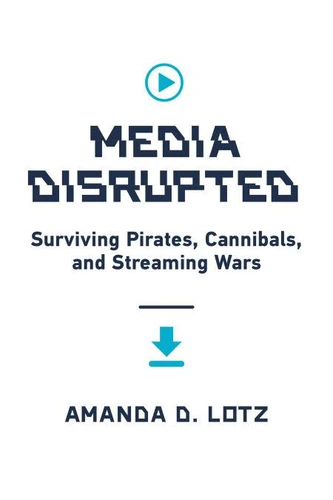
Media Disrupted. Surviving Pirates, Cannibals, and Streaming Wars
Par :Formats :
Disponible dans votre compte client Decitre ou Furet du Nord dès validation de votre commande. Le format ePub protégé est :
- Compatible avec une lecture sur My Vivlio (smartphone, tablette, ordinateur)
- Compatible avec une lecture sur liseuses Vivlio
- Pour les liseuses autres que Vivlio, vous devez utiliser le logiciel Adobe Digital Edition. Non compatible avec la lecture sur les liseuses Kindle, Remarkable et Sony
- Non compatible avec un achat hors France métropolitaine
 , qui est-ce ?
Notre partenaire de plateforme de lecture numérique où vous retrouverez l'ensemble de vos ebooks gratuitement
Pour en savoir plus sur nos ebooks, consultez notre aide en ligne ici
C'est si simple ! Lisez votre ebook avec l'app Vivlio sur votre tablette, mobile ou ordinateur :

- Nombre de pages200
- FormatePub
- ISBN978-0-262-36667-0
- EAN9780262366670
- Date de parution05/10/2021
- Protection num.Adobe DRM
- Taille487 Ko
- Infos supplémentairesepub
- ÉditeurThe MIT Press
Résumé
How the internet disrupted the recorded music, newspaper, film, and television industries and what this tells us about surviving technological disruption. Much of what we think we know about how the internet "disrupted" media industries is wrong. Piracy did not wreck the recording industry, Netflix isn't killing Hollywood movies, and information does not want to be free. In Media Disrupted, Amanda Lotz looks at what really happened when the recorded music, newspaper, film, and television industries were the ground zero of digital disruption.
It's not that digital technologies introduced "new media, " Lotz explains; rather, they offered existing media new tools for reaching people. For example, the MP3 unbundled recorded music; as the internet enabled new ways for people to experience and pay for music, the primary source of revenue for the recorded music industry shifted from selling music to licensing it. Cable television providers, written off as predigital dinosaurs, became the dominant internet service providers.
News organizations struggled to remake businesses in the face of steep declines in advertiser spending, while the film industry split its business among movies that compelled people to go to theaters and others that are better suited for streaming. Lotz looks in detail at how and why internet distribution disrupted each industry. The stories of business transformation she tells offer lessons for surviving and even thriving in the face of epoch-making technological change.
It's not that digital technologies introduced "new media, " Lotz explains; rather, they offered existing media new tools for reaching people. For example, the MP3 unbundled recorded music; as the internet enabled new ways for people to experience and pay for music, the primary source of revenue for the recorded music industry shifted from selling music to licensing it. Cable television providers, written off as predigital dinosaurs, became the dominant internet service providers.
News organizations struggled to remake businesses in the face of steep declines in advertiser spending, while the film industry split its business among movies that compelled people to go to theaters and others that are better suited for streaming. Lotz looks in detail at how and why internet distribution disrupted each industry. The stories of business transformation she tells offer lessons for surviving and even thriving in the face of epoch-making technological change.