SOLDES
Jusqu'à -70% sur une sélection d'articles*

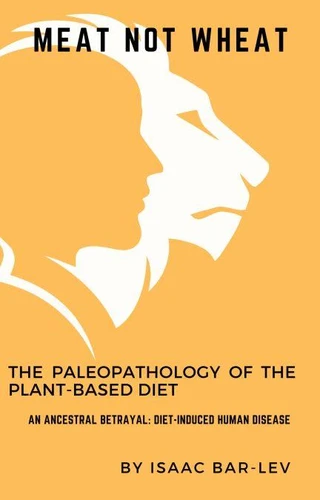
Meat Not Wheat
Par :Formats :
Disponible dans votre compte client Decitre ou Furet du Nord dès validation de votre commande. Le format ePub est :
- Compatible avec une lecture sur My Vivlio (smartphone, tablette, ordinateur)
- Compatible avec une lecture sur liseuses Vivlio
- Pour les liseuses autres que Vivlio, vous devez utiliser le logiciel Adobe Digital Edition. Non compatible avec la lecture sur les liseuses Kindle, Remarkable et Sony
 , qui est-ce ?
Notre partenaire de plateforme de lecture numérique où vous retrouverez l'ensemble de vos ebooks gratuitement
Pour en savoir plus sur nos ebooks, consultez notre aide en ligne ici
C'est si simple ! Lisez votre ebook avec l'app Vivlio sur votre tablette, mobile ou ordinateur :

- FormatePub
- ISBN8223759812
- EAN9798223759812
- Date de parution24/07/2023
- Protection num.pas de protection
- Infos supplémentairesepub
- ÉditeurDraft2Digital
Résumé
Our journey begins with a reflection on the past, where ancient societies flourished on meat-based diets, reveling in the numerous benefits they offered. These societies enjoyed optimal digestion, increased satiety, and the vital nutrients required for growth and maintenance of their bodies. Contrasting this with the modern rise of diseases like heart disease and diabetes, often linked to grain-based diets, provides valuable insights into improving our present dietary practices and ensuring a healthier future. In understanding our anatomy, you'll be amazed by the design of your digestive system, optimized for breaking down protein and absorbing vital nutrients from animal sources.
Your dental structure, gut microbiome, and metabolic advantages all resonate with our carnivorous lineage, emphasizing the significance of our evolutionary past in shaping our dietary choices. Throughout history, the impact of transitioning from a meat-based diet to a grain-heavy one becomes evident. Ancient civilizations that embraced agriculture and grains witnessed a decline in health, while our carnivorous ancestors enjoyed robust well-being.
By studying these historical patterns, we gain crucial wisdom about the implications of our dietary evolution on our current health concerns. Our exploration of the carnivore diet doesn't just end with history but delves into the contemporary context, shedding light on how it relates to modern diseases like obesity, diabetes, and heart disease. The shift away from ancestral eating habits, sedentary lifestyles, and the consumption of processed foods have all played a role in the rise of these health issues.
Understanding these connections empowers us to make informed decisions about our dietary choices.
Your dental structure, gut microbiome, and metabolic advantages all resonate with our carnivorous lineage, emphasizing the significance of our evolutionary past in shaping our dietary choices. Throughout history, the impact of transitioning from a meat-based diet to a grain-heavy one becomes evident. Ancient civilizations that embraced agriculture and grains witnessed a decline in health, while our carnivorous ancestors enjoyed robust well-being.
By studying these historical patterns, we gain crucial wisdom about the implications of our dietary evolution on our current health concerns. Our exploration of the carnivore diet doesn't just end with history but delves into the contemporary context, shedding light on how it relates to modern diseases like obesity, diabetes, and heart disease. The shift away from ancestral eating habits, sedentary lifestyles, and the consumption of processed foods have all played a role in the rise of these health issues.
Understanding these connections empowers us to make informed decisions about our dietary choices.