
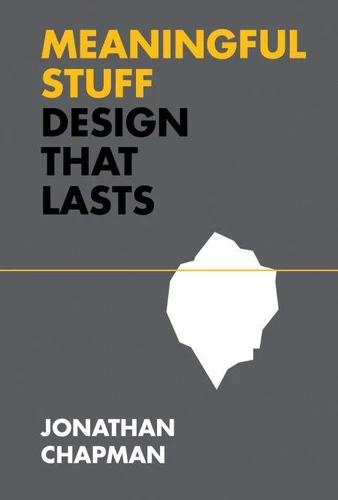
Meaningful Stuff. Design That Lasts
Par :Formats :
Disponible dans votre compte client Decitre ou Furet du Nord dès validation de votre commande. Le format ePub protégé est :
- Compatible avec une lecture sur My Vivlio (smartphone, tablette, ordinateur)
- Compatible avec une lecture sur liseuses Vivlio
- Pour les liseuses autres que Vivlio, vous devez utiliser le logiciel Adobe Digital Edition. Non compatible avec la lecture sur les liseuses Kindle, Remarkable et Sony
- Non compatible avec un achat hors France métropolitaine
 , qui est-ce ?
Notre partenaire de plateforme de lecture numérique où vous retrouverez l'ensemble de vos ebooks gratuitement
Pour en savoir plus sur nos ebooks, consultez notre aide en ligne ici
C'est si simple ! Lisez votre ebook avec l'app Vivlio sur votre tablette, mobile ou ordinateur :

- Nombre de pages240
- FormatePub
- ISBN978-0-262-36379-2
- EAN9780262363792
- Date de parution03/08/2021
- Protection num.Adobe DRM
- Taille330 Ko
- Infos supplémentairesepub
- ÉditeurThe MIT Press
Résumé
An argument for a design philosophy of better, not more. Never have we wanted, owned, and wasted so much stuff. Our consumptive path through modern life leaves a wake of social and ecological destruction--sneakers worn only once, bicycles barely even ridden, and forgotten smartphones languishing in drawers. By what perverse alchemy do our newest, coolest things so readily transform into meaningless junk? In Meaningful Stuff, Jonathan Chapman investigates why we throw away things that still work, and shows how we can design products, services, and systems that last.
Obsolescence is an economically driven design decision--a plan to hasten a product's functional or psychological undesirability. Many electronic devices, for example, are intentionally impossible to dismantle for repair or recycling, their brief use-career proceeding inexorably to a landfill. A sustainable design specialist who serves as a consultant to global businesses and governmental organizations, Chapman calls for the decoupling of economic activity from mindless material consumption and shows how to do it.
Chapman shares his vision for an "experience heavy, material light" design sensibility. This vital and timely new design philosophy reveals how meaning emerges from designed encounters between people and things, explores ways to increase the quality and longevity of our relationships with objects and the systems behind them, and ultimately demonstrates why design can--and must--lead the transition to a sustainable future.
Obsolescence is an economically driven design decision--a plan to hasten a product's functional or psychological undesirability. Many electronic devices, for example, are intentionally impossible to dismantle for repair or recycling, their brief use-career proceeding inexorably to a landfill. A sustainable design specialist who serves as a consultant to global businesses and governmental organizations, Chapman calls for the decoupling of economic activity from mindless material consumption and shows how to do it.
Chapman shares his vision for an "experience heavy, material light" design sensibility. This vital and timely new design philosophy reveals how meaning emerges from designed encounters between people and things, explores ways to increase the quality and longevity of our relationships with objects and the systems behind them, and ultimately demonstrates why design can--and must--lead the transition to a sustainable future.