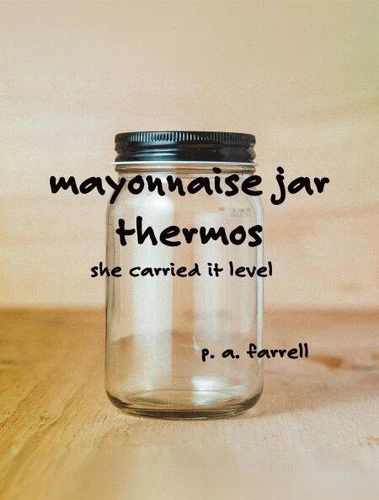
A mayonnaise jar filled with milk. Two slices of buttered toast wrapped in wax paper. That was breakfast. In The Mayonnaise Jar Thermos, a little girl carries her lunch to a Catholic school where cartoon lunchboxes snap open at the desks around her, and thermoses keep soup warm until noon. She does not look up. She does not need to-not yet. But one October morning, three women in flowered dresses and white gloves walk through the classroom door.
They carry an embroidered bag. They carry a doll. And they carry, without knowing it, the one thing guaranteed to set a seven-year-old on fire: the truth about where she stands. The doll goes to the poorest child in the class. This year, that child is her. What happens next is not a story about suffering. It is a story about what a girl does with a verdict-how she takes the judgment that others hand her and turns it into fuel.
How she discovers that the grade book does not care about wax paper or resoled shoes. How she learns, sitting at a kitchen table under a bare bulb, that the only level surface available to her is the one she earns. Told in five chapters with the intimacy of a letter and the precision of a blade, The Mayonnaise Jar Thermos is a novella about growing up poor without growing up defeated. About the particular dignity of children who have nothing to prove and everything to gain.
About mothers whose love looks like wax paper-not glamorous, but perfectly fitted to the task. It is a story for anyone who ever carried something precious in both hands and refused to shake the bag. Perfect for readers who love:- Frank McCourt's Angela's Ashes and the fierce dignity of working-class childhood- Coming-of-age stories told from the inside out- Short literary fiction with emotional punch and lasting resonance- Memoirs in disguise-stories that feel true because they are
A mayonnaise jar filled with milk. Two slices of buttered toast wrapped in wax paper. That was breakfast. In The Mayonnaise Jar Thermos, a little girl carries her lunch to a Catholic school where cartoon lunchboxes snap open at the desks around her, and thermoses keep soup warm until noon. She does not look up. She does not need to-not yet. But one October morning, three women in flowered dresses and white gloves walk through the classroom door.
They carry an embroidered bag. They carry a doll. And they carry, without knowing it, the one thing guaranteed to set a seven-year-old on fire: the truth about where she stands. The doll goes to the poorest child in the class. This year, that child is her. What happens next is not a story about suffering. It is a story about what a girl does with a verdict-how she takes the judgment that others hand her and turns it into fuel.
How she discovers that the grade book does not care about wax paper or resoled shoes. How she learns, sitting at a kitchen table under a bare bulb, that the only level surface available to her is the one she earns. Told in five chapters with the intimacy of a letter and the precision of a blade, The Mayonnaise Jar Thermos is a novella about growing up poor without growing up defeated. About the particular dignity of children who have nothing to prove and everything to gain.
About mothers whose love looks like wax paper-not glamorous, but perfectly fitted to the task. It is a story for anyone who ever carried something precious in both hands and refused to shake the bag. Perfect for readers who love:- Frank McCourt's Angela's Ashes and the fierce dignity of working-class childhood- Coming-of-age stories told from the inside out- Short literary fiction with emotional punch and lasting resonance- Memoirs in disguise-stories that feel true because they are


 , qui est-ce ?