
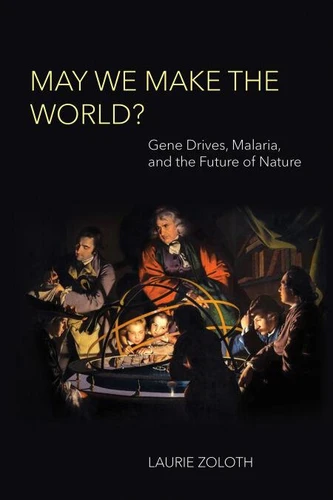
May We Make the World?. Gene Drives, Malaria, and the Future of Nature
Par :Formats :
Disponible dans votre compte client Decitre ou Furet du Nord dès validation de votre commande. Le format ePub protégé est :
- Compatible avec une lecture sur My Vivlio (smartphone, tablette, ordinateur)
- Compatible avec une lecture sur liseuses Vivlio
- Pour les liseuses autres que Vivlio, vous devez utiliser le logiciel Adobe Digital Edition. Non compatible avec la lecture sur les liseuses Kindle, Remarkable et Sony
- Non compatible avec un achat hors France métropolitaine
 , qui est-ce ?
Notre partenaire de plateforme de lecture numérique où vous retrouverez l'ensemble de vos ebooks gratuitement
Pour en savoir plus sur nos ebooks, consultez notre aide en ligne ici
C'est si simple ! Lisez votre ebook avec l'app Vivlio sur votre tablette, mobile ou ordinateur :

- Nombre de pages428
- FormatePub
- ISBN978-0-262-37700-3
- EAN9780262377003
- Date de parution19/12/2023
- Protection num.Adobe DRM
- Taille642 Ko
- Infos supplémentairesepub
- ÉditeurThe MIT Press
Résumé
An in-depth look at genetic alteration in the natural world and the oppositions to it, seen through the case study of a gene drive for malaria. May We Make the World? is an engaging reflection on the history, nature, goal, and meaning of using a new technological idea-CRISPR-based genetic engineering-to alter the genome of the mosquito that carries malaria. This technology, called a "gene drive, " can alter the sex ratio in Anopheles gambiae mosquitoes, the key vector for falciparum, the deadliest form of malaria.
P. Falciparum kills 400, 000 people a year, largely the poorest children in the world among them. In her sobering examination of the issue, Laurie Zoloth considers the leading ethical arguments for and against gene drives, explores the regulatory efforts that have emerged long in advance of the science, and considers the philosophical questions raised by the struggle to eliminate malaria. The development of a gene drive for malaria will have far-reaching implications for it represents the first use of genetic engineering in the natural world and the first creation of a genetic variant intended to spread in the African wild beyond human control.
Drawing on two decades of work, Zoloth brilliantly argues that we can understand the complex moral issues at stake only by carefully reflecting on the science, the nature of the local and global discourse about genetic engineering, and the long history of malaria, which-as it transformed from a worldwide disease to a tropical one-reshaped the world as we know it.
P. Falciparum kills 400, 000 people a year, largely the poorest children in the world among them. In her sobering examination of the issue, Laurie Zoloth considers the leading ethical arguments for and against gene drives, explores the regulatory efforts that have emerged long in advance of the science, and considers the philosophical questions raised by the struggle to eliminate malaria. The development of a gene drive for malaria will have far-reaching implications for it represents the first use of genetic engineering in the natural world and the first creation of a genetic variant intended to spread in the African wild beyond human control.
Drawing on two decades of work, Zoloth brilliantly argues that we can understand the complex moral issues at stake only by carefully reflecting on the science, the nature of the local and global discourse about genetic engineering, and the long history of malaria, which-as it transformed from a worldwide disease to a tropical one-reshaped the world as we know it.