SOLDES
Jusqu'à -70% sur une sélection d'articles*

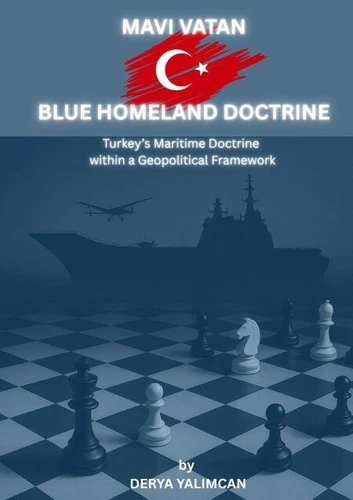
Mavi Vatan - Blue Homeland Doctrine. The Legal and Geopolitical Framework of Maritime Sovereignty and International Law
Par :Formats :
Disponible dans votre compte client Decitre ou Furet du Nord dès validation de votre commande. Le format ePub est :
- Compatible avec une lecture sur My Vivlio (smartphone, tablette, ordinateur)
- Compatible avec une lecture sur liseuses Vivlio
- Pour les liseuses autres que Vivlio, vous devez utiliser le logiciel Adobe Digital Edition. Non compatible avec la lecture sur les liseuses Kindle, Remarkable et Sony
 , qui est-ce ?
Notre partenaire de plateforme de lecture numérique où vous retrouverez l'ensemble de vos ebooks gratuitement
Pour en savoir plus sur nos ebooks, consultez notre aide en ligne ici
C'est si simple ! Lisez votre ebook avec l'app Vivlio sur votre tablette, mobile ou ordinateur :

- Nombre de pages468
- FormatePub
- ISBN978-3-8192-7071-0
- EAN9783819270710
- Date de parution02/07/2025
- Protection num.Digital Watermarking
- Taille469 Ko
- Infos supplémentairesepub
- ÉditeurBoD - Books on Demand
Résumé
This Book examines the legal foundations and geopolitical implications of Turkeys Blue Homeland doctrine (Mavi Vatan) from a Turkish perspective, addressing a critical gap in the predominantly Western-centric academic discourse, which disproportionately adopts the Greek viewpoint. Turkey asserts maritime sovereignty in the Aegean Sea, the Eastern Mediterranean, and the Black Sea, invoking historical claims, international legal frameworks, and regional disputes.
This study evaluates Turkeys legal position in opposition to prevailing interpretations of international maritime law, with particular emphasis on the United Nations Convention on the Law of the Sea (UNCLOS), customary international law, and relevant treaty obligations. Through a comparative legal analysis of conflicting territorial claims, it defends the doctrinal legitimacy of Turkeys maritime claims while critically challenging the prevailing academic orthodoxy, which privileges Greek legal arguments to the detriment of an objective and balanced legal assessment.
This study evaluates Turkeys legal position in opposition to prevailing interpretations of international maritime law, with particular emphasis on the United Nations Convention on the Law of the Sea (UNCLOS), customary international law, and relevant treaty obligations. Through a comparative legal analysis of conflicting territorial claims, it defends the doctrinal legitimacy of Turkeys maritime claims while critically challenging the prevailing academic orthodoxy, which privileges Greek legal arguments to the detriment of an objective and balanced legal assessment.