SOLDES
Jusqu'à -70% sur une sélection d'articles*

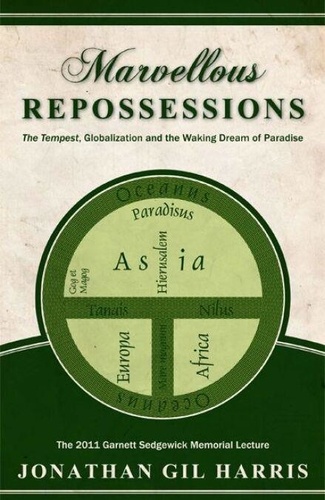
Marvellous Repossessions. The Tempest, Globalization and The Waking Dream of Paradise
Par :Formats :
Disponible dans votre compte client Decitre ou Furet du Nord dès validation de votre commande. Le format PDF est :
- Compatible avec une lecture sur My Vivlio (smartphone, tablette, ordinateur)
- Compatible avec une lecture sur liseuses Vivlio
- Pour les liseuses autres que Vivlio, vous devez utiliser le logiciel Adobe Digital Edition. Non compatible avec la lecture sur les liseuses Kindle, Remarkable et Sony
 , qui est-ce ?
Notre partenaire de plateforme de lecture numérique où vous retrouverez l'ensemble de vos ebooks gratuitement
Pour en savoir plus sur nos ebooks, consultez notre aide en ligne ici
C'est si simple ! Lisez votre ebook avec l'app Vivlio sur votre tablette, mobile ou ordinateur :

- Nombre de pages56
- FormatPDF
- ISBN978-1-55380-175-7
- EAN9781553801757
- Date de parution01/03/2012
- Protection num.Digital Watermarking
- Taille11 Mo
- Infos supplémentairespdf
- ÉditeurRonsdale Press
Résumé
For many years now theatre directors have argued about how to present Shakespeare's The Tempest. Originally, the play was seen as Prospero's use of magic to reclaim his European heritage against corrupt usurpers. More recently, the play has been produced as a protest against the ongoing colonialism in the new world. In his 2011 Garnett Sedgewick Lecture at the University of BC, Professor Harris explores the play and its historical background to show how it is driven by a waking dream in which progress towards a glorious future shades into recovery of a lost past.
Drawing on the logbook of Christopher Columbus in his voyage of discovery, Harris reminds us how Columbus believed that he was travelling to the East and that he had approached the original Garden of Eden. Moreover, the gold that was to be found in the supposed East would be used to create the prosperity of the West. In his examination of contemporary anti-colonialist productions of The Tempest, Harris shows how there remains a move backwards to an original paradise - in fact replicating the movement within The Tempest itself.
Drawing on the logbook of Christopher Columbus in his voyage of discovery, Harris reminds us how Columbus believed that he was travelling to the East and that he had approached the original Garden of Eden. Moreover, the gold that was to be found in the supposed East would be used to create the prosperity of the West. In his examination of contemporary anti-colonialist productions of The Tempest, Harris shows how there remains a move backwards to an original paradise - in fact replicating the movement within The Tempest itself.