SOLDES
Jusqu'à -70% sur une sélection d'articles*

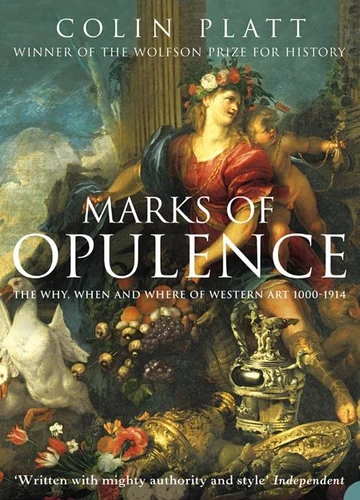
Marks of Opulence. The Why, When and Where of Western Art 1000–1914 (Text Only)
Par :Formats :
Disponible dans votre compte client Decitre ou Furet du Nord dès validation de votre commande. Le format ePub protégé est :
- Compatible avec une lecture sur My Vivlio (smartphone, tablette, ordinateur)
- Compatible avec une lecture sur liseuses Vivlio
- Pour les liseuses autres que Vivlio, vous devez utiliser le logiciel Adobe Digital Edition. Non compatible avec la lecture sur les liseuses Kindle, Remarkable et Sony
- Non compatible avec un achat hors France métropolitaine
 , qui est-ce ?
Notre partenaire de plateforme de lecture numérique où vous retrouverez l'ensemble de vos ebooks gratuitement
Pour en savoir plus sur nos ebooks, consultez notre aide en ligne ici
C'est si simple ! Lisez votre ebook avec l'app Vivlio sur votre tablette, mobile ou ordinateur :

- Nombre de pages368
- FormatePub
- ISBN978-0-00-739738-9
- EAN9780007397389
- Date de parution28/06/2012
- Protection num.Adobe DRM
- Infos supplémentairesepub
- ÉditeurHarper Perennial
Résumé
A sweeping, beautifully written history of artistic patronage from 1000 to the present day by a Wolfson Prize-winning historian.
'Marks of Opulence' is a magisterial survey of European art and artistic patronage from 1000 until the birth of modernism. Tracing the history from the discovery of silver in the Harz mountains, through the catastrophic effects of plague in the 14th-century, to the studied magnificence of papal and royal courts in the 16th- and 17th-centuries, Platt shows how the great and the good have always used art to bolster political power.
Arguing that the acquisitive instinct - felt by all of us in different ways - is central to the history of Western art, Platt traces how art began to move out of the palaces of the aristocracy into the homes of merchants, bankers and industrialists.
From the mid 19th-century onwards, and in the pre-war Belle Époque in particular, it was the immensely wealthy 'robber barons' and their widows - in London and Paris, in Berlin and Vienna, in Moscow and Barcelona, in Philadelphia and New York - who collected the work of the most innovative artists and broke the hold of the Academies on Western art. Professor Platt's ambitious sweep through a thousand years of artistic endeavour in the West argues throughout that a superfluity of money is the chief driver of high achievement in the arts, and for the transforming power of great riches. Note that it has not been possible to include the same picture content that appeared in the original print version.
From the mid 19th-century onwards, and in the pre-war Belle Époque in particular, it was the immensely wealthy 'robber barons' and their widows - in London and Paris, in Berlin and Vienna, in Moscow and Barcelona, in Philadelphia and New York - who collected the work of the most innovative artists and broke the hold of the Academies on Western art. Professor Platt's ambitious sweep through a thousand years of artistic endeavour in the West argues throughout that a superfluity of money is the chief driver of high achievement in the arts, and for the transforming power of great riches. Note that it has not been possible to include the same picture content that appeared in the original print version.