SOLDES
Jusqu'à -70% sur une sélection d'articles*
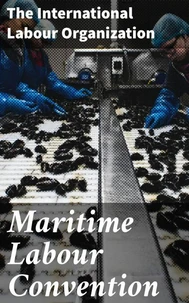
Maritime Labour Convention
Par :Formats :
Disponible dans votre compte client Decitre ou Furet du Nord dès validation de votre commande. Le format ePub est :
- Compatible avec une lecture sur My Vivlio (smartphone, tablette, ordinateur)
- Compatible avec une lecture sur liseuses Vivlio
- Pour les liseuses autres que Vivlio, vous devez utiliser le logiciel Adobe Digital Edition. Non compatible avec la lecture sur les liseuses Kindle, Remarkable et Sony
 , qui est-ce ?
Notre partenaire de plateforme de lecture numérique où vous retrouverez l'ensemble de vos ebooks gratuitement
Pour en savoir plus sur nos ebooks, consultez notre aide en ligne ici
C'est si simple ! Lisez votre ebook avec l'app Vivlio sur votre tablette, mobile ou ordinateur :

- Nombre de pages112
- FormatePub
- ISBN859-65--4706602-6
- EAN8596547066026
- Date de parution13/06/2022
- Protection num.Digital Watermarking
- Taille471 Ko
- Infos supplémentairesepub
- ÉditeurDIGICAT
Résumé
The *Maritime Labour Convention* is a comprehensive framework aimed at ensuring decent working and living conditions for seafarers around the globe. This pivotal document, crafted by the International Labour Organization (ILO), encapsulates a wealth of standards concerning maritime labour rights, hygiene, safety, and accommodation at sea. With a blend of legal rigor and accessible language, the Convention serves as both a normative text and a practical guide for compliance, emphasizing the importance of global standards within the maritime industry in an ever-evolving economic context.
The International Labour Organization, founded in 1919, has long been at the forefront of advocating for fair treatment in the workplace. With its expertise in addressing the unique challenges faced by workers in various sectors, the ILO sought to address the often-overlooked plight of seafarers. Through extensive research, collaboration with maritime unions, employers, and governments, the ILO produced this Convention not only to standardize labour conditions but to affirm the dignity and rights of those who operate in one of the world's most hazardous professions.
I highly recommend the *Maritime Labour Convention* to policymakers, maritime professionals, and scholars alike, as it not only elucidates the regulations but also serves as a vital tool for promoting social justice in the maritime domain. This Convention is essential reading for anyone interested in maritime law, labour rights, and the future of seafaring professions.
The International Labour Organization, founded in 1919, has long been at the forefront of advocating for fair treatment in the workplace. With its expertise in addressing the unique challenges faced by workers in various sectors, the ILO sought to address the often-overlooked plight of seafarers. Through extensive research, collaboration with maritime unions, employers, and governments, the ILO produced this Convention not only to standardize labour conditions but to affirm the dignity and rights of those who operate in one of the world's most hazardous professions.
I highly recommend the *Maritime Labour Convention* to policymakers, maritime professionals, and scholars alike, as it not only elucidates the regulations but also serves as a vital tool for promoting social justice in the maritime domain. This Convention is essential reading for anyone interested in maritime law, labour rights, and the future of seafaring professions.