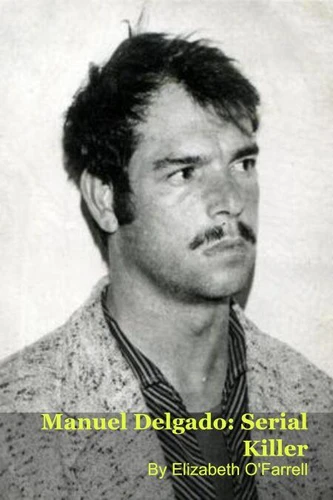
Manuel Delgado: Serial KillerThis exhaustive examination of Manuel Delgado Villegas, known as "El Arropiero, " traces the life of Spain's most notorious serial killer from his traumatic birth in 1943 through his death in institutional custody in 1998. Drawing on forensic records, psychiatric evaluations, and legal documents, this work explores how post-Civil War poverty, educational failure, adolescent exploitation, and systemic institutional neglect transformed a vulnerable child into a predator who killed at least seven people across the Mediterranean coast between 1964 and 1971.
The book critically examines the "supermale" XYY chromosome theory that was misused to explain his violence, analyzes his complex psychiatric pathology including schizophrenia and antisocial personality disorder, and investigates the legal limbo that kept him detained without trial for six years. Through detailed case studies of each confirmed murder, including the wrongful conviction that his confession overturned, this comprehensive analysis illuminates the intersection of developmental trauma, mental illness, and social marginalization while raising profound questions about criminal responsibility, psychiatric treatment, and whether modern systems would prevent such a tragedy today.
Manuel Delgado: Serial KillerThis exhaustive examination of Manuel Delgado Villegas, known as "El Arropiero, " traces the life of Spain's most notorious serial killer from his traumatic birth in 1943 through his death in institutional custody in 1998. Drawing on forensic records, psychiatric evaluations, and legal documents, this work explores how post-Civil War poverty, educational failure, adolescent exploitation, and systemic institutional neglect transformed a vulnerable child into a predator who killed at least seven people across the Mediterranean coast between 1964 and 1971.
The book critically examines the "supermale" XYY chromosome theory that was misused to explain his violence, analyzes his complex psychiatric pathology including schizophrenia and antisocial personality disorder, and investigates the legal limbo that kept him detained without trial for six years. Through detailed case studies of each confirmed murder, including the wrongful conviction that his confession overturned, this comprehensive analysis illuminates the intersection of developmental trauma, mental illness, and social marginalization while raising profound questions about criminal responsibility, psychiatric treatment, and whether modern systems would prevent such a tragedy today.

 , qui est-ce ?