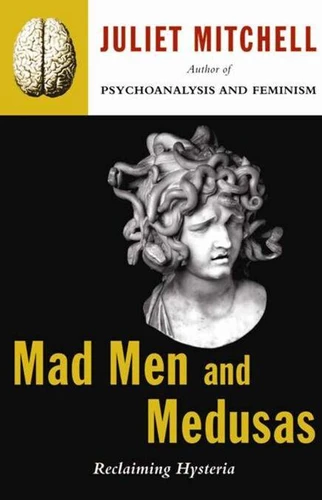
Mad Men And Medusas
Par :Formats :
Disponible dans votre compte client Decitre ou Furet du Nord dès validation de votre commande. Le format ePub protégé est :
- Compatible avec une lecture sur My Vivlio (smartphone, tablette, ordinateur)
- Compatible avec une lecture sur liseuses Vivlio
- Pour les liseuses autres que Vivlio, vous devez utiliser le logiciel Adobe Digital Edition. Non compatible avec la lecture sur les liseuses Kindle, Remarkable et Sony
- Non compatible avec un achat hors France métropolitaine
 , qui est-ce ?
Notre partenaire de plateforme de lecture numérique où vous retrouverez l'ensemble de vos ebooks gratuitement
Pour en savoir plus sur nos ebooks, consultez notre aide en ligne ici
C'est si simple ! Lisez votre ebook avec l'app Vivlio sur votre tablette, mobile ou ordinateur :

- Nombre de pages396
- FormatePub
- ISBN978-0-465-01211-4
- EAN9780465012114
- Date de parution05/01/2008
- Protection num.Adobe DRM
- Infos supplémentairesepub
- ÉditeurBasic Books
Résumé
This worthy successor to Psychoanalysis and Feminism is both a defense of the long-dismissed diagnosis of hysteria as a centerpiece of the human condition and a plea for a new understanding of the influence of sibling and peer relationships. Juliet Mitchell argues that, because it our first social relationship, the sibling relationship is crucial to development, and that it is a critical failure of psychoanalysis and other psychological theories of development to obscure and ignore the importance of siblings and peers.
In Mad Men and Medusas Mitchell traces the history of hysteria from the Greek "wandering womb" to modern-day psychiatric diagnoses, arguing that we need to reclaim hysteria to understand how distress and trauma express themselves in different societies and different times. Using fascinating examples from anthropology, Freud's case studies, literature, and her own clinical practice, Mitchell convincingly demonstrates that while hysteria may have disappeared as a disease, it is still a critical factor in understanding psychological development through the life cycle.
In Mad Men and Medusas Mitchell traces the history of hysteria from the Greek "wandering womb" to modern-day psychiatric diagnoses, arguing that we need to reclaim hysteria to understand how distress and trauma express themselves in different societies and different times. Using fascinating examples from anthropology, Freud's case studies, literature, and her own clinical practice, Mitchell convincingly demonstrates that while hysteria may have disappeared as a disease, it is still a critical factor in understanding psychological development through the life cycle.