SOLDES
Jusqu'à -70% sur une sélection d'articles*

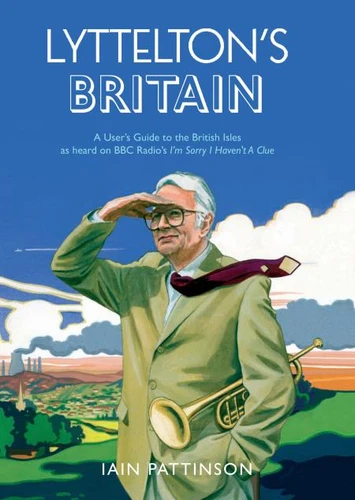
Lyttelton's Britain. A User's Guide to the British Isles as heard on BBC Radio's I'm Sorry I Haven't A Clue
Par :Formats :
Disponible dans votre compte client Decitre ou Furet du Nord dès validation de votre commande. Le format ePub protégé est :
- Compatible avec une lecture sur My Vivlio (smartphone, tablette, ordinateur)
- Compatible avec une lecture sur liseuses Vivlio
- Pour les liseuses autres que Vivlio, vous devez utiliser le logiciel Adobe Digital Edition. Non compatible avec la lecture sur les liseuses Kindle, Remarkable et Sony
- Non compatible avec un achat hors France métropolitaine
 , qui est-ce ?
Notre partenaire de plateforme de lecture numérique où vous retrouverez l'ensemble de vos ebooks gratuitement
Pour en savoir plus sur nos ebooks, consultez notre aide en ligne ici
C'est si simple ! Lisez votre ebook avec l'app Vivlio sur votre tablette, mobile ou ordinateur :

- Nombre de pages240
- FormatePub
- ISBN978-1-4090-5068-1
- EAN9781409050681
- Date de parution10/11/2009
- Protection num.Adobe DRM
- Infos supplémentairesepub
- ÉditeurPreface Digital
Résumé
The I'm Sorry I Haven't A Clue team of Barry Cryer, Graeme Garden and Tim Brooke-Taylor, in the company of their esteemed chairman Humphrey Lyttelton, have been recording their BBC radio show around the UK for longer than any of them can remember ... that's about a week - or twenty minutes in the case of Barry Cryer. At each venue Humph would present a short history of the location, written by Iain Pattinson, to the mutual delight of the audience, the team and their delightful scorer Samantha (who somehow always found time for a rewarding poke around the area's backstreets).
We are privileged to present, in gazetteer form, the very best of Humph's local histories form Radio 4's multi award-winning 'antidote to panel games'. As accurate as Wikipedia and as comprehensive as Reader's Digest, this unique guide tells you everything you never knew you wouldn't ever need to know about the background and inhabitants of Britain's most prominent towns and cities. The intelligent reader will waste no time in adding it to their collection.
BristolIt was from Bristol in 1497 that John Cabot set off to find a new route to the Spice Islands by sailing north-west. He instead discovered a strange, hostile world which he named 'Newfoundland', until the natives explained that they actually called it 'Swansea'. NottinghamIt's well documented in official records that the city's original name was 'Snottingham' or 'home of Snotts', but when the Normans came, they couldn't pronounce the initial letter 'S', so decreed the town be called 'Nottingham'or the 'home of Notts'.
It's easy to understand why this change was resisted so fiercely by the people of Scunthorpe. BrightonA settlement is first recorded in Brighton as long as ago as 3000 BC, when Celtic Druids practised their ancient worship of oaks, mistletoe and virgins, and indeed, oaks and mistletoe are still plentiful in Brighton.
We are privileged to present, in gazetteer form, the very best of Humph's local histories form Radio 4's multi award-winning 'antidote to panel games'. As accurate as Wikipedia and as comprehensive as Reader's Digest, this unique guide tells you everything you never knew you wouldn't ever need to know about the background and inhabitants of Britain's most prominent towns and cities. The intelligent reader will waste no time in adding it to their collection.
BristolIt was from Bristol in 1497 that John Cabot set off to find a new route to the Spice Islands by sailing north-west. He instead discovered a strange, hostile world which he named 'Newfoundland', until the natives explained that they actually called it 'Swansea'. NottinghamIt's well documented in official records that the city's original name was 'Snottingham' or 'home of Snotts', but when the Normans came, they couldn't pronounce the initial letter 'S', so decreed the town be called 'Nottingham'or the 'home of Notts'.
It's easy to understand why this change was resisted so fiercely by the people of Scunthorpe. BrightonA settlement is first recorded in Brighton as long as ago as 3000 BC, when Celtic Druids practised their ancient worship of oaks, mistletoe and virgins, and indeed, oaks and mistletoe are still plentiful in Brighton.