SOLDES
Jusqu'à -70% sur une sélection d'articles*

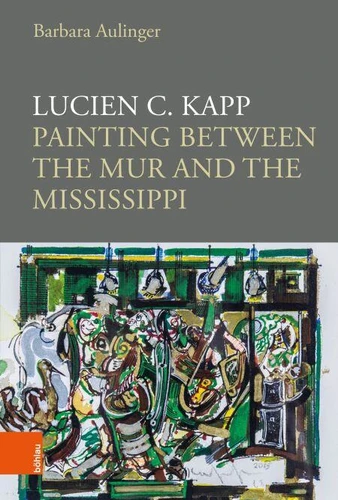
Lucien C. Kapp. Painting between the Mur and the Mississippi
Par : ,Formats :
Disponible dans votre compte client Decitre ou Furet du Nord dès validation de votre commande. Le format PDF est :
- Compatible avec une lecture sur My Vivlio (smartphone, tablette, ordinateur)
- Compatible avec une lecture sur liseuses Vivlio
- Pour les liseuses autres que Vivlio, vous devez utiliser le logiciel Adobe Digital Edition. Non compatible avec la lecture sur les liseuses Kindle, Remarkable et Sony
 , qui est-ce ?
Notre partenaire de plateforme de lecture numérique où vous retrouverez l'ensemble de vos ebooks gratuitement
Pour en savoir plus sur nos ebooks, consultez notre aide en ligne ici
C'est si simple ! Lisez votre ebook avec l'app Vivlio sur votre tablette, mobile ou ordinateur :

- Nombre de pages136
- FormatPDF
- ISBN978-3-205-22133-3
- EAN9783205221333
- Date de parution18/11/2024
- Protection num.pas de protection
- Taille6 Mo
- Infos supplémentairespdf
- ÉditeurBöhlau
Résumé
This book explores the unusual oeuvre of the American painter Lucien C. Kapp, who-largely under the radar of art history-forged a bridge between Abstract Expressionism and the twenty-first century. It discusses his three artistic "homes" of Illinois, Japan, and Styria in Austria, each of which in its own way fired the artist's imagination and inspired him to "condense the world." A recurring theme over the years was the expelled Indigenous peoples of the former Mississippian culture: the Illini, the Cahokia, and the Menominee.
In addition, the publication provides a condensed overview of abstract art's "immigration" to the US after being driven from Europe and Russia by war and dictatorships.
At the same time, it illuminates the various standpoints of artists, critics, and art historians on the question of who is allowed to pass judgment on art. Finally, the unconventional, often paradoxical titles that Lucien C. Kapp gave his works are embedded in a short history of work titles.
At the same time, it illuminates the various standpoints of artists, critics, and art historians on the question of who is allowed to pass judgment on art. Finally, the unconventional, often paradoxical titles that Lucien C. Kapp gave his works are embedded in a short history of work titles.