SOLDES
Jusqu'à -70% sur une sélection d'articles*

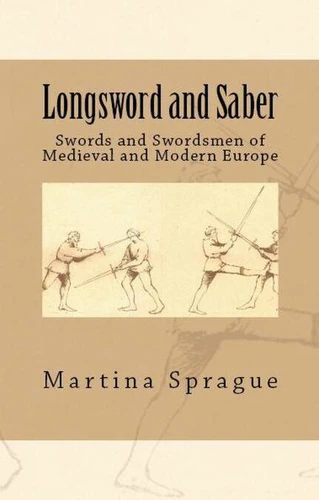
Longsword and Saber: Swords and Swordsmen of Medieval and Modern Europe. Knives, Swords, and Bayonets: A World History of Edged Weapon Warfare, #9
Par :Formats :
Disponible dans votre compte client Decitre ou Furet du Nord dès validation de votre commande. Le format ePub protégé est :
- Compatible avec une lecture sur My Vivlio (smartphone, tablette, ordinateur)
- Compatible avec une lecture sur liseuses Vivlio
- Pour les liseuses autres que Vivlio, vous devez utiliser le logiciel Adobe Digital Edition. Non compatible avec la lecture sur les liseuses Kindle, Remarkable et Sony
- Non compatible avec un achat hors France métropolitaine
 , qui est-ce ?
Notre partenaire de plateforme de lecture numérique où vous retrouverez l'ensemble de vos ebooks gratuitement
Pour en savoir plus sur nos ebooks, consultez notre aide en ligne ici
C'est si simple ! Lisez votre ebook avec l'app Vivlio sur votre tablette, mobile ou ordinateur :

- FormatePub
- ISBN978-1-386-21917-0
- EAN9781386219170
- Date de parution18/03/2018
- Protection num.Adobe DRM
- Infos supplémentairesepub
- ÉditeurRelay Publishing
Résumé
European swordsmanship has produced a large number of written treatises and has been studied widely by military historians and lay persons interested in the sword as a combat arm and instrument of social status. Swords had a dual purpose: They were of military necessity used by knights on the field of battle, and of social necessity carried by nobles to communicate rank and settle disputes of honor.
The European longsword was primarily a cut and thrust weapon that found use in both cavalry and foot soldiering. A good sword could cut through armor, flesh, and bone, and would last for several subsequent battles without breaking. Due to its powerful image, the sword became a symbol of masculinity and strength. Noblemen started wearing swords also when in civilian dress. In Renaissance Europe, and through the industrial and technological revolution of the eighteenth and nineteenth centuries when gunpowder weapons became more reliable, the sword saw gradually less battlefield use and fencing for the purpose of dueling or sport gained in popularity.
This book starts by discussing the role of the swordsmith and his understanding of sword dynamics for battlefield use. It analyzes the physical training of the swordsman and the techniques he committed himself to studying in order to defeat an enemy in battle, and the debate surrounding the "best" types of swords and training techniques. Next the book examines the use of the sword in mass armies, primarily the Crusades.
It examines the saber and its use in nineteenth century infantry, cavalry, and naval warfare, followed by a discussion of the social mores of the times and the reasons why the sword evolved into a dueling and sport fencing weapon. The concluding remarks summarize the development of the sword from early medieval times to modern day.
The European longsword was primarily a cut and thrust weapon that found use in both cavalry and foot soldiering. A good sword could cut through armor, flesh, and bone, and would last for several subsequent battles without breaking. Due to its powerful image, the sword became a symbol of masculinity and strength. Noblemen started wearing swords also when in civilian dress. In Renaissance Europe, and through the industrial and technological revolution of the eighteenth and nineteenth centuries when gunpowder weapons became more reliable, the sword saw gradually less battlefield use and fencing for the purpose of dueling or sport gained in popularity.
This book starts by discussing the role of the swordsmith and his understanding of sword dynamics for battlefield use. It analyzes the physical training of the swordsman and the techniques he committed himself to studying in order to defeat an enemy in battle, and the debate surrounding the "best" types of swords and training techniques. Next the book examines the use of the sword in mass armies, primarily the Crusades.
It examines the saber and its use in nineteenth century infantry, cavalry, and naval warfare, followed by a discussion of the social mores of the times and the reasons why the sword evolved into a dueling and sport fencing weapon. The concluding remarks summarize the development of the sword from early medieval times to modern day.