SOLDES
Jusqu'à -70% sur une sélection d'articles*

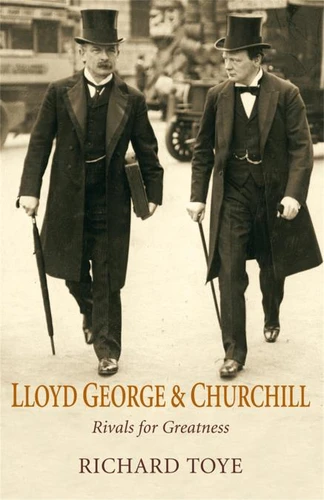
Lloyd George and Churchill. Rivals for Greatness
Par :Formats :
Disponible dans votre compte client Decitre ou Furet du Nord dès validation de votre commande. Le format ePub protégé est :
- Compatible avec une lecture sur My Vivlio (smartphone, tablette, ordinateur)
- Compatible avec une lecture sur liseuses Vivlio
- Pour les liseuses autres que Vivlio, vous devez utiliser le logiciel Adobe Digital Edition. Non compatible avec la lecture sur les liseuses Kindle, Remarkable et Sony
- Non compatible avec un achat hors France métropolitaine
 , qui est-ce ?
Notre partenaire de plateforme de lecture numérique où vous retrouverez l'ensemble de vos ebooks gratuitement
Pour en savoir plus sur nos ebooks, consultez notre aide en ligne ici
C'est si simple ! Lisez votre ebook avec l'app Vivlio sur votre tablette, mobile ou ordinateur :

- Nombre de pages356
- FormatePub
- ISBN978-0-330-53875-6
- EAN9780330538756
- Date de parution12/07/2012
- Protection num.Adobe DRM
- Infos supplémentairesepub
- ÉditeurPan
Résumé
The two most significant British political figures of the twentieth-century, Churchill and Lloyd George were political rivals but personal friends. Between them their ministerial careers spanned seventy years and two world wars. Althought they could not have been more different temperamentally, and often disagreed violently about politics, theirs was 'the longest political friendship in the life of Great Britain' and Churchill was the only person outside his family to call Lloyd George 'David'.
Richard Toye's book is a dynamic account of their relationship. Drawing on diaries and letters, some never before published, (there are more than 1, 000 pieces of correspondence between the two men), he explores their long-standing friendship and rivalry, the impact they had on each other's careers, and the fate of their respective reputations, arguing that Lloyd George's major achievements have been undeservedly overshadowed, in part as a consequence of Churchill's later mythmaking.
It is a major work from a brilliant young historian.
Richard Toye's book is a dynamic account of their relationship. Drawing on diaries and letters, some never before published, (there are more than 1, 000 pieces of correspondence between the two men), he explores their long-standing friendship and rivalry, the impact they had on each other's careers, and the fate of their respective reputations, arguing that Lloyd George's major achievements have been undeservedly overshadowed, in part as a consequence of Churchill's later mythmaking.
It is a major work from a brilliant young historian.