
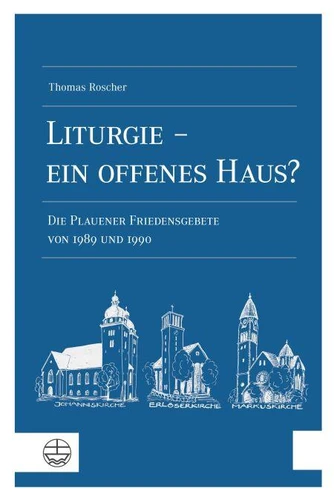
Liturgie – ein offenes Haus?. Die Plauener Friedensgebete von 1989 und 1990
Par :Formats :
Disponible dans votre compte client Decitre ou Furet du Nord dès validation de votre commande. Le format ePub est :
- Compatible avec une lecture sur My Vivlio (smartphone, tablette, ordinateur)
- Compatible avec une lecture sur liseuses Vivlio
- Pour les liseuses autres que Vivlio, vous devez utiliser le logiciel Adobe Digital Edition. Non compatible avec la lecture sur les liseuses Kindle, Remarkable et Sony
 , qui est-ce ?
Notre partenaire de plateforme de lecture numérique où vous retrouverez l'ensemble de vos ebooks gratuitement
Pour en savoir plus sur nos ebooks, consultez notre aide en ligne ici
C'est si simple ! Lisez votre ebook avec l'app Vivlio sur votre tablette, mobile ou ordinateur :

- Nombre de pages520
- FormatePub
- ISBN978-3-374-06230-0
- EAN9783374062300
- Date de parution30/09/2019
- Protection num.Digital Watermarking
- Taille4 Mo
- Infos supplémentairesepub
- ÉditeurEvangelische Verlagsanstalt
Résumé
Im Herbst 1989 strömten Christen und nicht religiöse Menschen zu Demonstrationen auf die Straßen Plauens und in die Kirchen der Stadt. In der Markuskirche, der Johanniskirche und der Erlöserkirche entstanden bis ins Frühjahr 1990 hinein "Oasen der Wahrheit", "Interimsparlamente", Räume für liturgische und spirituelle Erfahrungen der gesamten Bürgerschaft. In den Friedensgebeten wurden die Kirchen zu offenen Häusern der Liturgie.
Insgesamt zehn Friedensliturgien der damals ca. 73.000 Einwohner zählenden Stadt Plauen werden in dieser Studie erstmalig rekonstruiert, liturgiewissenschaftlich kommentiert und nach ihrer Bedeutung für die Gegenwart befragt. [Liturgy - an Open House? The Plauen Prayers of Peace 1989 and 1990] Christians as well as non-religious people flocked to the streets of Plauen (a city in the former GDR) and into the churches of the city from autumn of 1989 until spring of 1990.
"Oases of Truth", "Interim Parliaments", and spaces for liturgical and spiritual experiences for the entire citizenry came into existence in the Markuskirche, the Johanniskirche and the Erlöserkirche. Through the prayers for peace, the churches became open houses for a public liturgy. A total of ten liturgies for peace held in the city of Plauen, which at that time had a population of about 73, 000, have been reconstructed for the first time in this study, which is a liturgical-theological analysis with a particular attention to the meaning and importance such liturgies have for the present.
Insgesamt zehn Friedensliturgien der damals ca. 73.000 Einwohner zählenden Stadt Plauen werden in dieser Studie erstmalig rekonstruiert, liturgiewissenschaftlich kommentiert und nach ihrer Bedeutung für die Gegenwart befragt. [Liturgy - an Open House? The Plauen Prayers of Peace 1989 and 1990] Christians as well as non-religious people flocked to the streets of Plauen (a city in the former GDR) and into the churches of the city from autumn of 1989 until spring of 1990.
"Oases of Truth", "Interim Parliaments", and spaces for liturgical and spiritual experiences for the entire citizenry came into existence in the Markuskirche, the Johanniskirche and the Erlöserkirche. Through the prayers for peace, the churches became open houses for a public liturgy. A total of ten liturgies for peace held in the city of Plauen, which at that time had a population of about 73, 000, have been reconstructed for the first time in this study, which is a liturgical-theological analysis with a particular attention to the meaning and importance such liturgies have for the present.