SOLDES
Jusqu'à -70% sur une sélection d'articles*

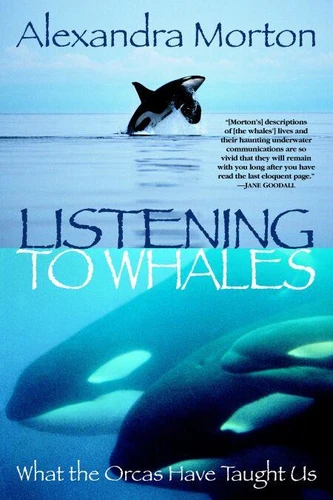
Listening to Whales. What the Orcas Have Taught Us
Par :Formats :
Disponible dans votre compte client Decitre ou Furet du Nord dès validation de votre commande. Le format ePub protégé est :
- Compatible avec une lecture sur My Vivlio (smartphone, tablette, ordinateur)
- Compatible avec une lecture sur liseuses Vivlio
- Pour les liseuses autres que Vivlio, vous devez utiliser le logiciel Adobe Digital Edition. Non compatible avec la lecture sur les liseuses Kindle, Remarkable et Sony
- Non compatible avec un achat hors France métropolitaine
 , qui est-ce ?
Notre partenaire de plateforme de lecture numérique où vous retrouverez l'ensemble de vos ebooks gratuitement
Pour en savoir plus sur nos ebooks, consultez notre aide en ligne ici
C'est si simple ! Lisez votre ebook avec l'app Vivlio sur votre tablette, mobile ou ordinateur :

- Nombre de pages320
- FormatePub
- ISBN978-0-307-48754-4
- EAN9780307487544
- Date de parution30/12/2008
- Protection num.Adobe DRM
- Taille5 Mo
- Infos supplémentairesepub
- ÉditeurBallantine Books
Résumé
A "warm, energetic memoir" (Publishers Weekly, starred review) and an impassioned study of the profound connection between humans and whales, from an award-winning marine researcher "[Morton's] descriptions of [the whales'] lives and their haunting underwater communications are so vivid that they will remain with you long after you have read the last eloquent page."-JANE GOODALL ONE OF THE CHRISTIAN SCIENCE MONITOR'S BEST BOOKS OF THE YEARFor over three decades, Alexandra Morton has been at the forefront of whale and dolphin research, dedicating her life to the study of orcas (also known as killer whales).
In Listening to Whales, she shares spellbinding stories about her career and what she has learned from and about these magnificent mammals. While working at Marineland in California in the late 1970s, Alexandra pioneered the recording of orca sounds by dropping a hydrophone into the tank of two killer whales. She recorded the varied language of mating, childbirth, and even grief after the birth of a stillborn calf.
At the same time she made the startling observation that the whales were inventing wonderful synchronized movements, a behavior that was soon recognized as a defining characteristic of orca society. In 1984, Alexandra moved to a remote bay in British Columbia to continue her research with wild orcas. Her recordings of the whales have led her to a deeper understanding of the mystery of whale echolocation, the vocal communication that enables the mammals to find their way in the dark sea.
Affecting and surprising, Listening to Whales will open your eyes anew to the wonders of the natural world.
In Listening to Whales, she shares spellbinding stories about her career and what she has learned from and about these magnificent mammals. While working at Marineland in California in the late 1970s, Alexandra pioneered the recording of orca sounds by dropping a hydrophone into the tank of two killer whales. She recorded the varied language of mating, childbirth, and even grief after the birth of a stillborn calf.
At the same time she made the startling observation that the whales were inventing wonderful synchronized movements, a behavior that was soon recognized as a defining characteristic of orca society. In 1984, Alexandra moved to a remote bay in British Columbia to continue her research with wild orcas. Her recordings of the whales have led her to a deeper understanding of the mystery of whale echolocation, the vocal communication that enables the mammals to find their way in the dark sea.
Affecting and surprising, Listening to Whales will open your eyes anew to the wonders of the natural world.
A propos de Alexandra Morton
5,99 €