SOLDES
Jusqu'à -70% sur une sélection d'articles*

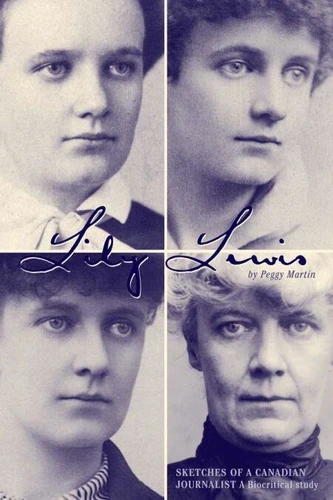
Lily Lewis. Sketches of a Canadian Journalist: A Biocritical Study
Par :Formats :
Disponible dans votre compte client Decitre ou Furet du Nord dès validation de votre commande. Le format ePub est :
- Compatible avec une lecture sur My Vivlio (smartphone, tablette, ordinateur)
- Compatible avec une lecture sur liseuses Vivlio
- Pour les liseuses autres que Vivlio, vous devez utiliser le logiciel Adobe Digital Edition. Non compatible avec la lecture sur les liseuses Kindle, Remarkable et Sony
 , qui est-ce ?
Notre partenaire de plateforme de lecture numérique où vous retrouverez l'ensemble de vos ebooks gratuitement
Pour en savoir plus sur nos ebooks, consultez notre aide en ligne ici
C'est si simple ! Lisez votre ebook avec l'app Vivlio sur votre tablette, mobile ou ordinateur :

- Nombre de pages296
- FormatePub
- ISBN1-77385-100-4
- EAN9781773851006
- Date de parution23/08/2006
- Protection num.Digital Watermarking
- Taille14 Mo
- Infos supplémentairesepub
- ÉditeurUniversity of Calgary Press
Résumé
Canadian writer and journalist Lily Lewis is not a household name. In fact, she never was. The work Lewis is best known for - "Montreal Letter, " a popular column which appeared in the Toronto newspaper The Week in the late 1880s - was written under the pseudonym Louis Lloyd. In 1888, Lewis and fellow writer Sara Jeannette Duncan embarked on a journey around the world, sending articles about their travels back to their respective newspapers, The Week and the Montreal Daily Star.
Lewis became immortalized as a character in Duncan's fictionalized account of their journey, but as a writer she has been almost entirely forgotten to history. Though Lewis continued to publish a variety of work up until 1912, her writing prior to and following her world tour has received no critical attention, and almost nothing has been known about her personal life. Peggy Martin's painstaking research has brought new details to light.
She examines Lewis's work in the context of Canadian travel writing and journalism at the turn of the century and discusses her use of the sketch as her preferred literary form. Part critical study, part biography, part edited collection, this volume provides new insight into feminist expression in the nineteenth century and reclaims Lily Lewis's place in Canadian literary history.
Lewis became immortalized as a character in Duncan's fictionalized account of their journey, but as a writer she has been almost entirely forgotten to history. Though Lewis continued to publish a variety of work up until 1912, her writing prior to and following her world tour has received no critical attention, and almost nothing has been known about her personal life. Peggy Martin's painstaking research has brought new details to light.
She examines Lewis's work in the context of Canadian travel writing and journalism at the turn of the century and discusses her use of the sketch as her preferred literary form. Part critical study, part biography, part edited collection, this volume provides new insight into feminist expression in the nineteenth century and reclaims Lily Lewis's place in Canadian literary history.