SOLDES
Jusqu'à -70% sur une sélection d'articles*

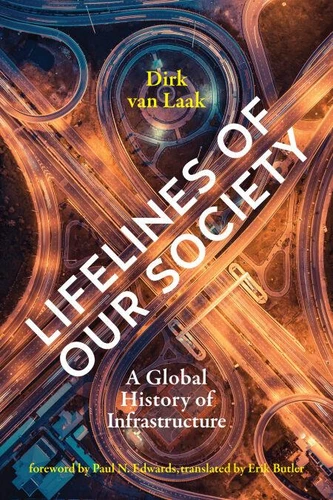
Lifelines of Our Society. A Global History of Infrastructure
Par : , ,Formats :
Disponible dans votre compte client Decitre ou Furet du Nord dès validation de votre commande. Le format ePub protégé est :
- Compatible avec une lecture sur My Vivlio (smartphone, tablette, ordinateur)
- Compatible avec une lecture sur liseuses Vivlio
- Pour les liseuses autres que Vivlio, vous devez utiliser le logiciel Adobe Digital Edition. Non compatible avec la lecture sur les liseuses Kindle, Remarkable et Sony
- Non compatible avec un achat hors France métropolitaine
 , qui est-ce ?
Notre partenaire de plateforme de lecture numérique où vous retrouverez l'ensemble de vos ebooks gratuitement
Pour en savoir plus sur nos ebooks, consultez notre aide en ligne ici
C'est si simple ! Lisez votre ebook avec l'app Vivlio sur votre tablette, mobile ou ordinateur :

- Nombre de pages332
- FormatePub
- ISBN978-0-262-37596-2
- EAN9780262375962
- Date de parution01/08/2023
- Protection num.Adobe DRM
- Taille15 Mo
- Infos supplémentairesepub
- ÉditeurThe MIT Press
Résumé
A comprehensive history and examination of global infrastructures and the outsized role they play in our lives. Infrastructure is essential to defining how the public functions, yet there is little public knowledge regarding why and how it became today's strongest global force over government and individual lives. Who should build and maintain infrastructures? How are they to be protected? And why are they all in such bad shape? In Lifelines of Our Society, Dirk van Laak offers broad audiences a history of global infrastructures-focused on Western societies, over the past two hundred years-that considers all their many paradoxes.
He illustrates three aspects of infrastructure: their development, their influence on nation building and colonialism, and finally, how individuals internalize infrastructure and increasingly become not only its user but regulator. Beginning with public works, infrastructure in the nineteenth century carried the hope that it would facilitate world peace. Van Laak shows how, instead, it transformed to promote consumerism's individual freedoms and our notions of work, leisure, and fulfillment.
Lifelines of Our Society reveals how today's infrastructure is both a source and a reflection of concentrated power and economic growth, which takes the form of cities under permanent construction. Symbols of power, van Laak describes, come with vulnerability, and this book illustrates the dual nature of infrastructure's potential to hold nostalgia and inspire fear, to ease movement and govern ideas, and to bring independence to the nuclear family and control governments of the Global South.
He illustrates three aspects of infrastructure: their development, their influence on nation building and colonialism, and finally, how individuals internalize infrastructure and increasingly become not only its user but regulator. Beginning with public works, infrastructure in the nineteenth century carried the hope that it would facilitate world peace. Van Laak shows how, instead, it transformed to promote consumerism's individual freedoms and our notions of work, leisure, and fulfillment.
Lifelines of Our Society reveals how today's infrastructure is both a source and a reflection of concentrated power and economic growth, which takes the form of cities under permanent construction. Symbols of power, van Laak describes, come with vulnerability, and this book illustrates the dual nature of infrastructure's potential to hold nostalgia and inspire fear, to ease movement and govern ideas, and to bring independence to the nuclear family and control governments of the Global South.