SOLDES
Jusqu'à -70% sur une sélection d'articles*

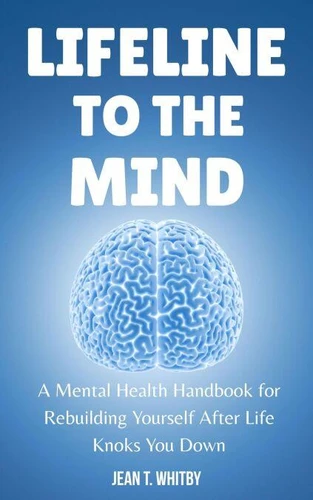
Lifeline to the Mind : Mental Health Handbook for Rebuilding Yourself After Life Knocks You Down
Par :Formats :
Disponible dans votre compte client Decitre ou Furet du Nord dès validation de votre commande. Le format ePub est :
- Compatible avec une lecture sur My Vivlio (smartphone, tablette, ordinateur)
- Compatible avec une lecture sur liseuses Vivlio
- Pour les liseuses autres que Vivlio, vous devez utiliser le logiciel Adobe Digital Edition. Non compatible avec la lecture sur les liseuses Kindle, Remarkable et Sony
 , qui est-ce ?
Notre partenaire de plateforme de lecture numérique où vous retrouverez l'ensemble de vos ebooks gratuitement
Pour en savoir plus sur nos ebooks, consultez notre aide en ligne ici
C'est si simple ! Lisez votre ebook avec l'app Vivlio sur votre tablette, mobile ou ordinateur :

- FormatePub
- ISBN8232787660
- EAN9798232787660
- Date de parution06/10/2025
- Protection num.pas de protection
- Infos supplémentairesepub
- ÉditeurDraft2Digital
Résumé
When life knocks you down, it's not the fall that defines you-it's what happens in the silence that follows. Lifeline to the Mind begins in that silence, in the heavy pause between who you were and who you must become. It is a book for anyone standing at the edge of themselves, searching for a way back to stability, clarity, and peace. This isn't another shallow take on "staying positive." It's a grounded, compassionate roadmap for rebuilding your mental and emotional strength after everything feels broken.
Drawing from principles of psychology and human resilience, the book helps readers understand how the mind fractures under pressure-and how to piece it back together with purpose and patience. Readers are guided through the unseen layers of recovery: the confusion that lingers after loss, the exhaustion that follows survival, and the quiet guilt of feeling stuck when you should be "moving on." Lifeline to the Mind provides not just explanation but direction.
It reveals how to regain trust in your thoughts, restore balance to your emotions, and reframe pain into perspective. The writing moves with precision and warmth, teaching how to face anxiety, fear, and shame without letting them take root. Practical methods-grounding, reframing, mindful reflection-are woven naturally into each chapter, offering real relief instead of abstract advice. It's a hands-on guide to managing distress and reshaping your inner dialogue, designed for those who crave more than surface-level comfort.
At the heart of the book is the idea that recovery isn't about becoming the same person again-it's about building someone wiser, steadier, and more self-aware. Through thoughtful examples and structured exercises, readers learn how to confront destructive habits, identify emotional triggers, and develop resilience that lasts. Each page invites a slow, intentional return to self-one grounded in compassion, not perfection.
The book also explores the role of relationships in healing, showing how meaningful connections can stabilize the mind and reignite hope. It explains how to communicate your needs without fear, set emotional boundaries, and surround yourself with people who help you rise rather than keep you stuck. Lifeline to the Mind is written with the calm authority of someone who understands struggle and the sincerity of someone who values progress over performance.
It brings clarity to chaos and structure to emotional recovery. Whether you're coming back from heartbreak, burnout, trauma, or disappointment, it gives you the language and tools to rebuild your sense of self-one deliberate thought at a time. This book stands as a quiet, unwavering companion through the rebuilding process, reminding you that healing is not a single moment of victory but a steady, personal transformation toward peace and self-trust.
Drawing from principles of psychology and human resilience, the book helps readers understand how the mind fractures under pressure-and how to piece it back together with purpose and patience. Readers are guided through the unseen layers of recovery: the confusion that lingers after loss, the exhaustion that follows survival, and the quiet guilt of feeling stuck when you should be "moving on." Lifeline to the Mind provides not just explanation but direction.
It reveals how to regain trust in your thoughts, restore balance to your emotions, and reframe pain into perspective. The writing moves with precision and warmth, teaching how to face anxiety, fear, and shame without letting them take root. Practical methods-grounding, reframing, mindful reflection-are woven naturally into each chapter, offering real relief instead of abstract advice. It's a hands-on guide to managing distress and reshaping your inner dialogue, designed for those who crave more than surface-level comfort.
At the heart of the book is the idea that recovery isn't about becoming the same person again-it's about building someone wiser, steadier, and more self-aware. Through thoughtful examples and structured exercises, readers learn how to confront destructive habits, identify emotional triggers, and develop resilience that lasts. Each page invites a slow, intentional return to self-one grounded in compassion, not perfection.
The book also explores the role of relationships in healing, showing how meaningful connections can stabilize the mind and reignite hope. It explains how to communicate your needs without fear, set emotional boundaries, and surround yourself with people who help you rise rather than keep you stuck. Lifeline to the Mind is written with the calm authority of someone who understands struggle and the sincerity of someone who values progress over performance.
It brings clarity to chaos and structure to emotional recovery. Whether you're coming back from heartbreak, burnout, trauma, or disappointment, it gives you the language and tools to rebuild your sense of self-one deliberate thought at a time. This book stands as a quiet, unwavering companion through the rebuilding process, reminding you that healing is not a single moment of victory but a steady, personal transformation toward peace and self-trust.