Prix Nobel de la Paix
Sens
Letters to Nelson Mandela
Par : Formats :
Disponible dans votre compte client Decitre ou Furet du Nord dès validation de votre commande. Le format Multi-format est :
- Pour les liseuses autres que Vivlio, vous devez utiliser le logiciel Adobe Digital Edition. Non compatible avec la lecture sur les liseuses Kindle, Remarkable et Sony
 , qui est-ce ?
Notre partenaire de plateforme de lecture numérique où vous retrouverez l'ensemble de vos ebooks gratuitement
Pour en savoir plus sur nos ebooks, consultez notre aide en ligne ici
C'est si simple ! Lisez votre ebook avec l'app Vivlio sur votre tablette, mobile ou ordinateur :

- Nombre de pages195
- FormatMulti-format
- ISBN978-2-37509-075-6
- EAN9782375090756
- Date de parution06/12/2018
- Protection num.pas de protection
- Infos supplémentairesMulti-Format
- ÉditeurDébats Publics
Résumé
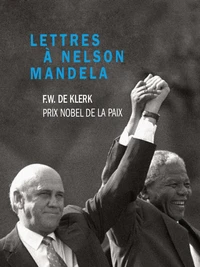
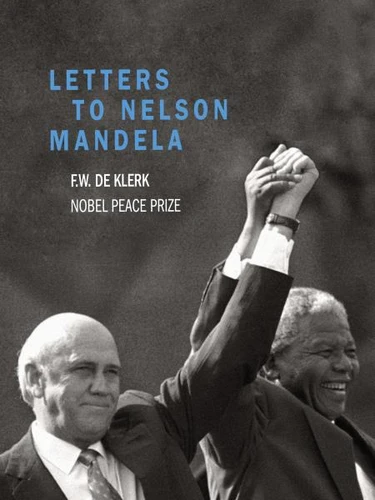
Five years after the death of Nelson Mandela, and 25 years after sharing the Nobel Peace Prize with him, Frederik de Klerk reflects on his political legacy in a revealing series of letters to his old friend and political rival. In them, he recalls their formidable struggles to turn South Africa into a democratic, tolerant, and inclusive "Rainbow Nation." On February 2, 1990, FW de Klerk made an historic speech in which he announced his intention to bring to an end his country's system of racial oppression and to free all political prisoners.
The best-known beneficiary of this measure was Nelson Mandela, who had spent 27 years in jail. At the outset, Frederik de Klerk and Nelson Mandela had little in common. But they found a way of working together in the name of hope and reconciliation. What challenges did they have to overcome, what were the values and ideals that drove them - often in the face of opposition from within their own ranks - to keep negotiating and remain on course for a peaceful transition toward meaningful democracy? These 14 letters, published here for the first time, offer an eye-wit- ness account of some of the most momentous events of the 20th century.
They also sound an optimistic note, enjoining the younger generations to commit to social and political change and in the process find meaning in their actions and in the world.
The best-known beneficiary of this measure was Nelson Mandela, who had spent 27 years in jail. At the outset, Frederik de Klerk and Nelson Mandela had little in common. But they found a way of working together in the name of hope and reconciliation. What challenges did they have to overcome, what were the values and ideals that drove them - often in the face of opposition from within their own ranks - to keep negotiating and remain on course for a peaceful transition toward meaningful democracy? These 14 letters, published here for the first time, offer an eye-wit- ness account of some of the most momentous events of the 20th century.
They also sound an optimistic note, enjoining the younger generations to commit to social and political change and in the process find meaning in their actions and in the world.