In this part-memoir, part-manifesto, an acclaimed poet interprets Black radical literary traditions to reimagine freedom through refusal."In these fierce yet tender pages, Camonghne Felix reveals how imagination can become a form of governance-an instrument for creating a world rooted in care, community, and radical possibility."-Michelle Alexander, New York Times bestselling author of The New Jim CrowOver the past decade, Camonghne Felix has been at the center of American politics, working in strategy, communications, and as a speechwriter.
Throughout it all, she has maintained her unwavering belief in language's foundational revolutionary potential, outside of its deployment for legislative and political ends. In this groundbreaking work of nonfiction, she argues that Black radical poetic traditions model an ethical code and overcome entrenched structures of patriarchy and paternalism, inventing a new form that examines the historical and legislative, and the personal and poetic.
Felix draws on stories from her life in campaigns and the decisions she has had to make: preparing speeches for candidates, responding to harassment, recruiting staff. She recounts her moving personal history-accompanying her mother, a lawyer, to court, and her father, a participant in the Grenadian revolution of 1983, to protests-as well as her coming-of-age being schooled in a wider tradition of Black radical thinkers, from Gwendolyn Brooks to Audre Lorde.
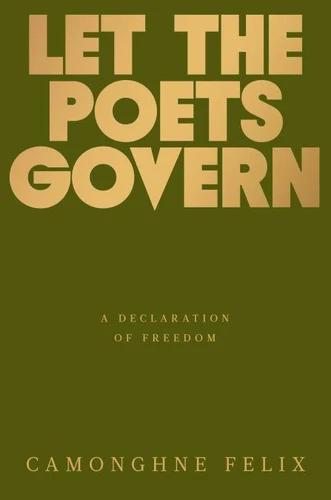
Through rupture, rhythm, and a refusal of politics as usual, Let the Poets Govern encourages us to hold ourselves to the standards of our highest ideals and embraces our shared humanity.
In this part-memoir, part-manifesto, an acclaimed poet interprets Black radical literary traditions to reimagine freedom through refusal."In these fierce yet tender pages, Camonghne Felix reveals how imagination can become a form of governance-an instrument for creating a world rooted in care, community, and radical possibility."-Michelle Alexander, New York Times bestselling author of The New Jim CrowOver the past decade, Camonghne Felix has been at the center of American politics, working in strategy, communications, and as a speechwriter.
Throughout it all, she has maintained her unwavering belief in language's foundational revolutionary potential, outside of its deployment for legislative and political ends. In this groundbreaking work of nonfiction, she argues that Black radical poetic traditions model an ethical code and overcome entrenched structures of patriarchy and paternalism, inventing a new form that examines the historical and legislative, and the personal and poetic.
Felix draws on stories from her life in campaigns and the decisions she has had to make: preparing speeches for candidates, responding to harassment, recruiting staff. She recounts her moving personal history-accompanying her mother, a lawyer, to court, and her father, a participant in the Grenadian revolution of 1983, to protests-as well as her coming-of-age being schooled in a wider tradition of Black radical thinkers, from Gwendolyn Brooks to Audre Lorde.
Through rupture, rhythm, and a refusal of politics as usual, Let the Poets Govern encourages us to hold ourselves to the standards of our highest ideals and embraces our shared humanity.

 , qui est-ce ?
