
Stephen Dando-Collins is a novelist and historian. He is the author of several highly acclaimed works on ancient history including Cleopatra's Kidnappers, Nero's Killing Machine, Mark Antony's Heroes, Caesar's Legion and, most recently, Blood of the Caesars. He lives in Australia.
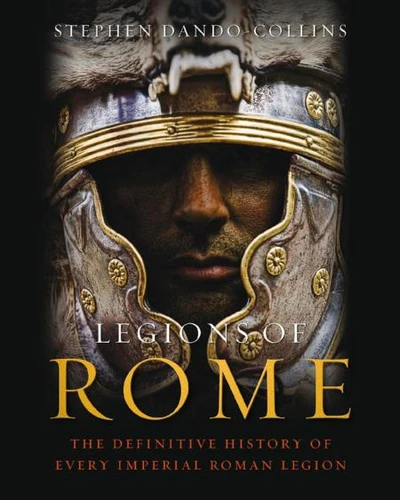
Legions of Rome. The definitive history of every Roman legion
Par :Formats :
Disponible dans votre compte client Decitre ou Furet du Nord dès validation de votre commande. Le format ePub protégé est :
- Compatible avec une lecture sur My Vivlio (smartphone, tablette, ordinateur)
- Compatible avec une lecture sur liseuses Vivlio
- Pour les liseuses autres que Vivlio, vous devez utiliser le logiciel Adobe Digital Edition. Non compatible avec la lecture sur les liseuses Kindle, Remarkable et Sony
- Non compatible avec un achat hors France métropolitaine
 , qui est-ce ?
Notre partenaire de plateforme de lecture numérique où vous retrouverez l'ensemble de vos ebooks gratuitement
Pour en savoir plus sur nos ebooks, consultez notre aide en ligne ici
C'est si simple ! Lisez votre ebook avec l'app Vivlio sur votre tablette, mobile ou ordinateur :

- Nombre de pages604
- FormatePub
- ISBN978-1-84916-791-8
- EAN9781849167918
- Date de parution28/03/2012
- Protection num.Adobe DRM
- Infos supplémentairesepub
- ÉditeurQuercus
Résumé
No book on Roman history has attempted to do what Stephen Dando-Collins does in Legions of Rome: to provide a complete history of every Imperial Roman legion and what it achieved as a fighting force. The author has spent the last thirty years collecting every scrap of available evidence from numerous sources: stone and bronze inscriptions, coins, papyrus and literary accounts in a remarkable feat of historical detective work.
The book is divided into three parts: Part 1 provides a detailed account of what the legionaries wore and ate, what camp life was like, what they were paid and how they were motivated and punished. The section also contains numerous personal histories of individual soldiers. Part 2 offers brief unit histories of all the legions that served Rome for 300 years from 30BC. Part 3 is a sweeping chronological survey of the campaigns in which the armies were involved, told from the point of view of particular legions.
Lavish, authoritative and beautifully produced, Legions of Rome will appeal to ancient history enthusiasts and military history buffs alike.
The book is divided into three parts: Part 1 provides a detailed account of what the legionaries wore and ate, what camp life was like, what they were paid and how they were motivated and punished. The section also contains numerous personal histories of individual soldiers. Part 2 offers brief unit histories of all the legions that served Rome for 300 years from 30BC. Part 3 is a sweeping chronological survey of the campaigns in which the armies were involved, told from the point of view of particular legions.
Lavish, authoritative and beautifully produced, Legions of Rome will appeal to ancient history enthusiasts and military history buffs alike.