SOLDES
Jusqu'à -70% sur une sélection d'articles*

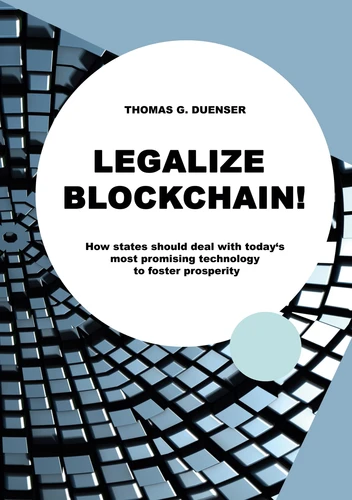
Legalize Blockchain. How states should deal with today's most promising technology to foster prosperity
Par :Formats :
Disponible dans votre compte client Decitre ou Furet du Nord dès validation de votre commande. Le format ePub est :
- Compatible avec une lecture sur My Vivlio (smartphone, tablette, ordinateur)
- Compatible avec une lecture sur liseuses Vivlio
- Pour les liseuses autres que Vivlio, vous devez utiliser le logiciel Adobe Digital Edition. Non compatible avec la lecture sur les liseuses Kindle, Remarkable et Sony
 , qui est-ce ?
Notre partenaire de plateforme de lecture numérique où vous retrouverez l'ensemble de vos ebooks gratuitement
Pour en savoir plus sur nos ebooks, consultez notre aide en ligne ici
C'est si simple ! Lisez votre ebook avec l'app Vivlio sur votre tablette, mobile ou ordinateur :

- Nombre de pages188
- FormatePub
- ISBN978-3-7519-1337-9
- EAN9783751913379
- Date de parution29/06/2020
- Protection num.Digital Watermarking
- Taille366 Ko
- Infos supplémentairesepub
- ÉditeurBooks on Demand
Résumé
In the last decades, digitalization has been enormously pushing innovation with a stunning impact on economy and society. In this book, the author illustrates that blockchain is one strong driver of the future digital economy, enabling a higher level of efficiency, trust, and legal security. As regulation can decide how a jurisdiction can participate in this development, the author discusses the current and future regulatory challenges and explains, why applying financial market laws for all Token Economy is not appropriate and would hinder its development.
Consequently, he argues for a new regulatory fundament for Token Economy - as the Principality of Liechtenstein has introduced in 2020 - and explains the political regulatory decisions of the so-called »Blockchain-Act« . The author pleads also in favour of establishing a new regulatory framework for Token Financial Markets and drafts its cornerstones. In addition to that, he describes the need for an innovation process for the legal framework and emphasizes the importance of the innovation culture of governments and authorities to keep pace with the technological developments and ensure future prosperity.
Consequently, he argues for a new regulatory fundament for Token Economy - as the Principality of Liechtenstein has introduced in 2020 - and explains the political regulatory decisions of the so-called »Blockchain-Act« . The author pleads also in favour of establishing a new regulatory framework for Token Financial Markets and drafts its cornerstones. In addition to that, he describes the need for an innovation process for the legal framework and emphasizes the importance of the innovation culture of governments and authorities to keep pace with the technological developments and ensure future prosperity.