SOLDES
Jusqu'à -70% sur une sélection d'articles*

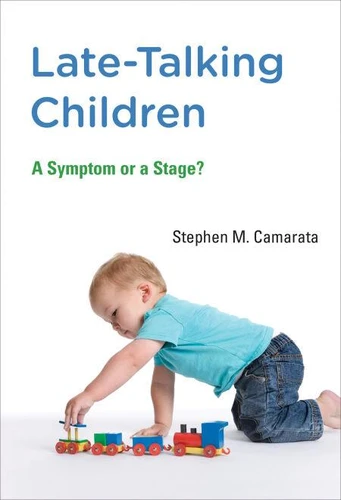
Late-Talking Children. A Symptom or a Stage?
Par :Formats :
Disponible dans votre compte client Decitre ou Furet du Nord dès validation de votre commande. Le format ePub protégé est :
- Compatible avec une lecture sur My Vivlio (smartphone, tablette, ordinateur)
- Compatible avec une lecture sur liseuses Vivlio
- Pour les liseuses autres que Vivlio, vous devez utiliser le logiciel Adobe Digital Edition. Non compatible avec la lecture sur les liseuses Kindle, Remarkable et Sony
- Non compatible avec un achat hors France métropolitaine
 , qui est-ce ?
Notre partenaire de plateforme de lecture numérique où vous retrouverez l'ensemble de vos ebooks gratuitement
Pour en savoir plus sur nos ebooks, consultez notre aide en ligne ici
C'est si simple ! Lisez votre ebook avec l'app Vivlio sur votre tablette, mobile ou ordinateur :

- Nombre de pages256
- FormatePub
- ISBN978-0-262-31934-8
- EAN9780262319348
- Date de parution05/09/2014
- Protection num.Adobe DRM
- Taille249 Ko
- Infos supplémentairesepub
- ÉditeurThe MIT Press
Résumé
What parents need to know about the causes and treatment of children's late talking: how to avoid misdiagnoses, navigate the educational system, and more. When children are late in hitting developmental milestones, parents worry. And no delay causes more parental anxiety than late talking, which is associated in many parents' minds with such serious conditions as autism and severe intellectual disability.
In fact, as children's speech expert Stephen Camarata points out in this enlightening book, children are late in beginning to talk for a wide variety of reasons. For some children, late talking may be a symptom of other, more serious, problems; for many others, however, it may simply be a stage with no long-term complications. Camarata describes in accessible language what science knows about the characteristics and causes of late talking.
He explains that late talking is only one of a constellation of autism symptoms. Although all autistic children are late talkers, not all late-talking children are autistic. Camarata draws on more than twenty-five years of professional experience diagnosing and treating late talkers-and on his personal experience of being a late talker himself and having a late-talking son. He provides information that will help parents navigate the maze of doctors, speech therapists, early childhood services, and special education; and he describes the effect that late talking may have on children's post-talking learning styles.
In fact, as children's speech expert Stephen Camarata points out in this enlightening book, children are late in beginning to talk for a wide variety of reasons. For some children, late talking may be a symptom of other, more serious, problems; for many others, however, it may simply be a stage with no long-term complications. Camarata describes in accessible language what science knows about the characteristics and causes of late talking.
He explains that late talking is only one of a constellation of autism symptoms. Although all autistic children are late talkers, not all late-talking children are autistic. Camarata draws on more than twenty-five years of professional experience diagnosing and treating late talkers-and on his personal experience of being a late talker himself and having a late-talking son. He provides information that will help parents navigate the maze of doctors, speech therapists, early childhood services, and special education; and he describes the effect that late talking may have on children's post-talking learning styles.