
Kathy Kacer's books have won a number of awards, including the Silver Birch and the Jewish Book Award. A former psychologist, Kathy now travels the globe speaking to children and adults about the importance of keeping the memory of the Holocaust alive. Kathy lives in Toronto with her family.
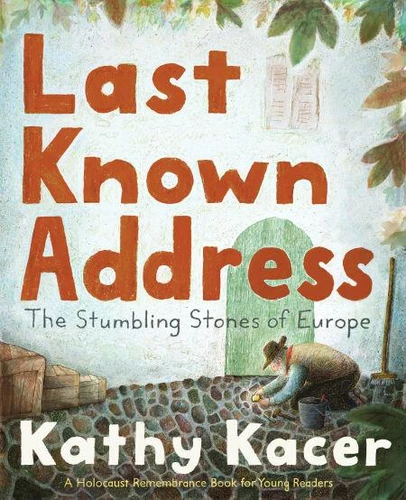
Last Known Address. The Stumbling Stones of Europe
Par :Formats :
Disponible dans votre compte client Decitre ou Furet du Nord dès validation de votre commande. Le format ePub est :
- Compatible avec une lecture sur My Vivlio (smartphone, tablette, ordinateur)
- Compatible avec une lecture sur liseuses Vivlio
- Pour les liseuses autres que Vivlio, vous devez utiliser le logiciel Adobe Digital Edition. Non compatible avec la lecture sur les liseuses Kindle, Remarkable et Sony
 , qui est-ce ?
Notre partenaire de plateforme de lecture numérique où vous retrouverez l'ensemble de vos ebooks gratuitement
Pour en savoir plus sur nos ebooks, consultez notre aide en ligne ici
C'est si simple ! Lisez votre ebook avec l'app Vivlio sur votre tablette, mobile ou ordinateur :

- Nombre de pages140
- FormatePub
- ISBN978-1-77260-459-7
- EAN9781772604597
- Date de parution10/03/2026
- Protection num.Digital Watermarking
- Taille34 Mo
- Infos supplémentairesepub
- ÉditeurSecond Story Press
Résumé
Embedded into the cobblestones of Europe are Stolpersteine-stumbling stones.
Carefully hand-chiseled with names and dates, these small, brass plaques make up the largest monument to the Holocaust in the world. Today, you can find over 100, 000 stones across Europe.
The Stumbling Stones Project was begun by artist Gunter Demnig as a way to remember that each victim of the Holocaust had a life that was terribly and tragically stolen.
Each memorial plaque is placed outside the last voluntary address of the person-the homes from which they were arrested and often taken to concentration camps. Not all were Jewish, some were persecuted for being Romani, disabled, or queer, and not all shared the same fate. These stories include that of a resistance fighter, an art conservator, an Olympian, and the young Anne Frank. Take a journey around Europe to learn their stories.
Each memorial plaque is placed outside the last voluntary address of the person-the homes from which they were arrested and often taken to concentration camps. Not all were Jewish, some were persecuted for being Romani, disabled, or queer, and not all shared the same fate. These stories include that of a resistance fighter, an art conservator, an Olympian, and the young Anne Frank. Take a journey around Europe to learn their stories.
A propos de Kathy Kacer
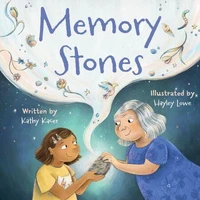
Memory Stones
E-book
9,99 €
Les pierres de mémoire
E-book
9,99 €

Under the Iron Bridge
E-book
6,99 €
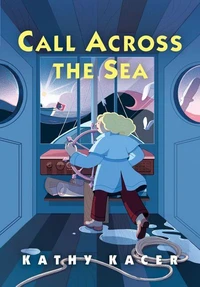
Call Across the Sea
E-book
8,99 €

5,49 €
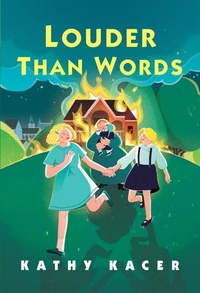
Louder Than Words
E-book
8,99 €
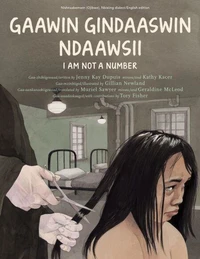
9,49 €
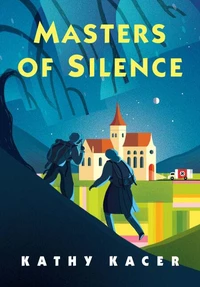
Masters of Silence
E-book
8,99 €
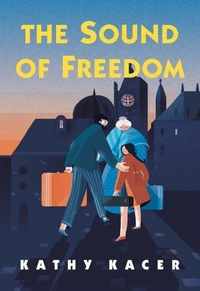
The Sound of Freedom
E-book
8,99 €
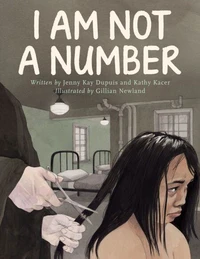
I Am Not a Number
E-book
9,49 €

The Secrets Ebook Bundle
E-book
74,09 €

Stones on a Grave
E-book
9,29 €
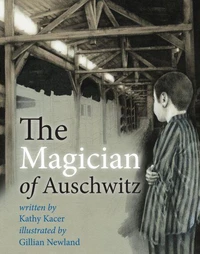
6,99 €
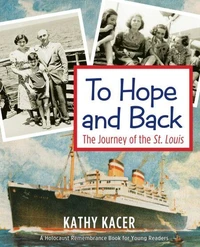
10,99 €
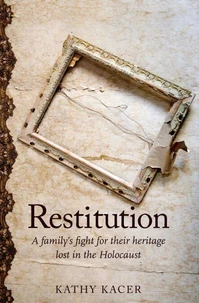
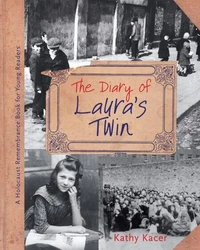
10,99 €
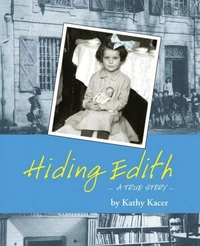
10,99 €