SOLDES
Jusqu'à -70% sur une sélection d'articles*

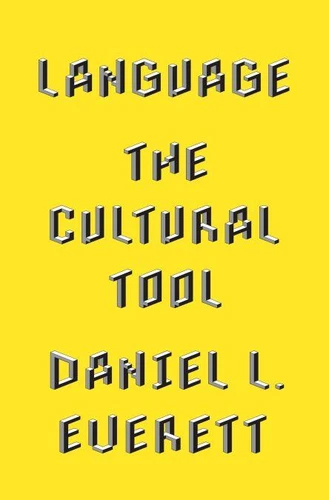
Language: The Cultural Tool
Par :Formats :
Disponible dans votre compte client Decitre ou Furet du Nord dès validation de votre commande. Le format ePub protégé est :
- Compatible avec une lecture sur My Vivlio (smartphone, tablette, ordinateur)
- Compatible avec une lecture sur liseuses Vivlio
- Pour les liseuses autres que Vivlio, vous devez utiliser le logiciel Adobe Digital Edition. Non compatible avec la lecture sur les liseuses Kindle, Remarkable et Sony
- Non compatible avec un achat hors France métropolitaine
 , qui est-ce ?
Notre partenaire de plateforme de lecture numérique où vous retrouverez l'ensemble de vos ebooks gratuitement
Pour en savoir plus sur nos ebooks, consultez notre aide en ligne ici
C'est si simple ! Lisez votre ebook avec l'app Vivlio sur votre tablette, mobile ou ordinateur :

- Nombre de pages368
- FormatePub
- ISBN978-0-307-90702-8
- EAN9780307907028
- Date de parution13/03/2012
- Protection num.Adobe DRM
- Taille3 Mo
- Infos supplémentairesepub
- ÉditeurVintage
Résumé
A bold and provocative study that presents language not as an innate component of the brain-as most linguists do-but as an essential tool unique to each culture worldwide. For years, the prevailing opinion among academics has been that language is embedded in our genes, existing as an innate and instinctual part of us. But linguist Daniel Everett argues that, like other tools, language was invented by humans and can be reinvented or lost.
He shows how the evolution of different language forms-that is, different grammar-reflects how language is influenced by human societies and experiences, and how it expresses their great variety. For example, the Amazonian Pirahã put words together in ways that violate our long-held under-standing of how language works, and Pirahã grammar expresses complex ideas very differently than English grammar does.
Drawing on the Wari' language of Brazil, Everett explains that speakers of all languages, in constructing their stories, omit things that all members of the culture understand. In addition, Everett discusses how some cultures can get by without words for numbers or counting, without verbs for "to say" or "to give, " illustrating how the very nature of what's important in a language is culturally determined. Combining anthropology, primatology, computer science, philosophy, linguistics, psychology, and his own pioneering-and adventurous-research with the Amazonian Pirahã, and using insights from many different languages and cultures, Everett gives us an unprecedented elucidation of this society-defined nature of language.
In doing so, he also gives us a new understanding of how we think and who we are.
He shows how the evolution of different language forms-that is, different grammar-reflects how language is influenced by human societies and experiences, and how it expresses their great variety. For example, the Amazonian Pirahã put words together in ways that violate our long-held under-standing of how language works, and Pirahã grammar expresses complex ideas very differently than English grammar does.
Drawing on the Wari' language of Brazil, Everett explains that speakers of all languages, in constructing their stories, omit things that all members of the culture understand. In addition, Everett discusses how some cultures can get by without words for numbers or counting, without verbs for "to say" or "to give, " illustrating how the very nature of what's important in a language is culturally determined. Combining anthropology, primatology, computer science, philosophy, linguistics, psychology, and his own pioneering-and adventurous-research with the Amazonian Pirahã, and using insights from many different languages and cultures, Everett gives us an unprecedented elucidation of this society-defined nature of language.
In doing so, he also gives us a new understanding of how we think and who we are.