SOLDES
Jusqu'à -70% sur une sélection d'articles*

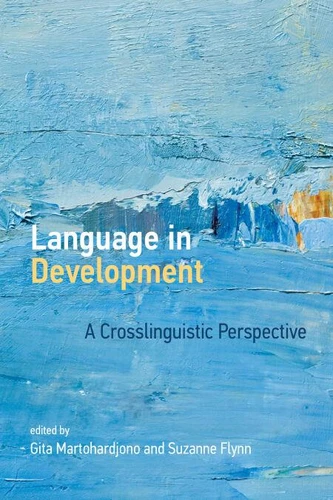
Language in Development. A Crosslinguistic Perspective
Par : ,Formats :
Disponible dans votre compte client Decitre ou Furet du Nord dès validation de votre commande. Le format ePub protégé est :
- Compatible avec une lecture sur My Vivlio (smartphone, tablette, ordinateur)
- Compatible avec une lecture sur liseuses Vivlio
- Pour les liseuses autres que Vivlio, vous devez utiliser le logiciel Adobe Digital Edition. Non compatible avec la lecture sur les liseuses Kindle, Remarkable et Sony
- Non compatible avec un achat hors France métropolitaine
 , qui est-ce ?
Notre partenaire de plateforme de lecture numérique où vous retrouverez l'ensemble de vos ebooks gratuitement
Pour en savoir plus sur nos ebooks, consultez notre aide en ligne ici
C'est si simple ! Lisez votre ebook avec l'app Vivlio sur votre tablette, mobile ou ordinateur :

- Nombre de pages346
- FormatePub
- ISBN978-0-262-36197-2
- EAN9780262361972
- Date de parution17/08/2021
- Protection num.Adobe DRM
- Taille12 Mo
- Infos supplémentairesepub
- ÉditeurThe MIT Press
Résumé
Explorations of language development in different types of learner populations and across various languages. This volume examines language development in different types of learner populations and across various languages. The contributors analyze experimental studies of child and adult language acquisition, heritage language development, bilingualism, and language disorders. They consider theoretical and methodological issues; language development in children, discussing topics that range from gestures to errors in person and number agreement; and development and attrition of (morpho)syntactic constructions in second language learners, bilinguals, and Alzheimer's patients.
The approach is "crosslinguistic" in three senses of the word: the contributors offer analyses of acquisition phenomena in different languages; they consider "crosslinguistic influence, " or the potential effects of multiple languages on one another in the mind of the same speaker; and (in a novel use of the term, proposed by the editors) the chapters bring together theoretical and methodological approaches pertinent to the linguistics of language development in children, adults, and heritage speakers.
The approach is "crosslinguistic" in three senses of the word: the contributors offer analyses of acquisition phenomena in different languages; they consider "crosslinguistic influence, " or the potential effects of multiple languages on one another in the mind of the same speaker; and (in a novel use of the term, proposed by the editors) the chapters bring together theoretical and methodological approaches pertinent to the linguistics of language development in children, adults, and heritage speakers.